

Get a FREE Second Opinion – No Pressure, No Commitment

Got another quote you’re unsure about? We’ll review it for free. No obligation to hire us. Just peace of mind.

Hot tub Electrical Installation in Prescott

What to Think About Before Installing a Hot Tub

Hot tub electrical work is not one-size-fits-all. Before wiring begins, a few details determine safety, cost, and performance:

  • Manufacturer requirements: We follow your hot tub’s installation manual for voltage (the electrical pressure), amperage (how much current is used), and wiring method (how the wires are installed).

  • Voltage and circuit needs: Many spas require a dedicated 240V circuit, while some models use 120V. We confirm what your unit actually needs.

  • Panel capacity and load planning: If your panel is near its limit, we plan the safest option before installation begins.

  • Location and wire routing: Conduit runs, trenching, and disconnect placement must be planned to avoid rework. We avoid underground wiring where it creates access or safety issues, including directly under the spa area.

  • Safety clearances: We plan around overhead power and communication lines and follow required distances around water and equipment.

  • Permits and inspections: If your project requires permits or inspections, we keep the work ready and assist you with the process.

We Follow the National Electrical Code

Proper spa wiring is more than powering the tub. It protects people and prevents hazards. Your setup may need:

  • A dedicated 120V or 240V connection based on manufacturer specs

  • GFCI protection using the correct breaker and approved components

  • A manual disconnect is installed within line of sight of the spa and typically no closer than 5 feet, per code requirements

  • Proper bonding at the designated bonding point and correct grounding of the system

  • Correct conduit, conductor sizing, and secure connections based on the load and run length

If you want hot tub wiring in Prescott Valley done correctly, these details matter.

What Goes Into Powering a Hot Tub

A professional hot tub wiring job often includes:

  • Installing a dedicated circuit from the main electrical panel

  • Installing a spa disconnect (often a spa panel) with proper protection

  • Running and securing conduit and conductors cleanly and safely

  • Verifying grounding and bonding for safe operation

  • Confirming the proper breaker type and labeling circuits clearly

  • Testing for a safe, reliable startup before you use the spa

We build the system for real-world use, not just a quick “power on.”

Hot Tub Installation at Prescott Valley

Hot Tub Wiring Installation Process

We Plan

We confirm the details that affect safety and performance:

  • 1

    Power requirements for your specific hot tub

  • 2

    Panel capacity and circuit planning

  • 3

    Wire route, conduit placement, and disconnect location

  • 4

    Permit and inspection steps when applicable

We Install

Then we complete the installation with clean, professional workmanship:

  • 1

    Mounting the spa disconnect

  • 2

    Installing and strapping conduit

  • 3

    Running wire from the panel to the disconnect and to the hot tub

  • 4

    Making secure connections and labeling where needed

We Test

Before we sign off, we verify operation and safety:

  • 1

    Continuity and grounding checks

  • 2

    GFCI testing and protection verification

  • 3

    Functional testing once the tub is filled and controls are ready

We Clean Up

As professional hot tub electricians, we treat your property with care. The work area will be clean and organized when we leave.

Why Choose Assurance Electrical Services?

100% Satisfaction Guarantee

100% Satisfaction Guarantee

We take pride in doing clean, safe work and making sure you feel confident in the finished installation.

Seasoned Local Electricians

We’re licensed, insured, and experienced with spa wiring in Prescott Valley and the surrounding area.
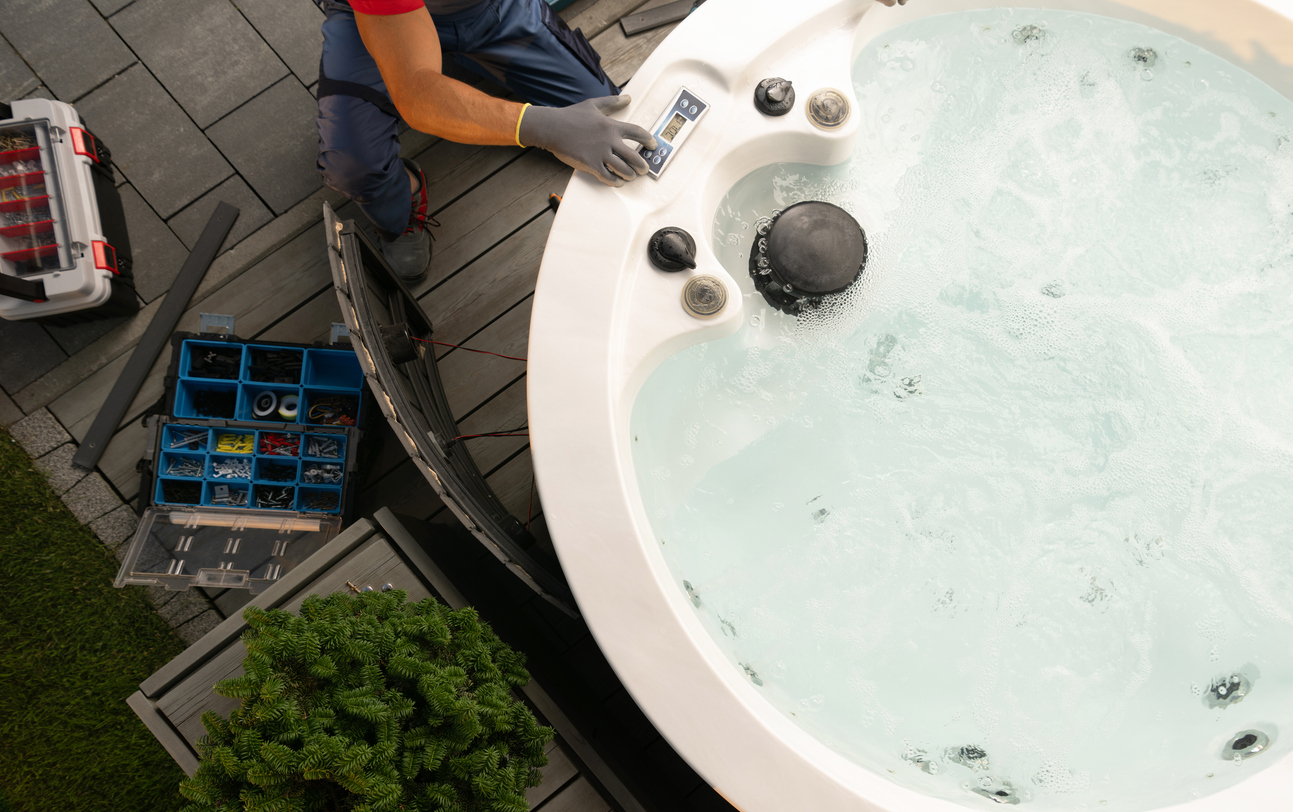
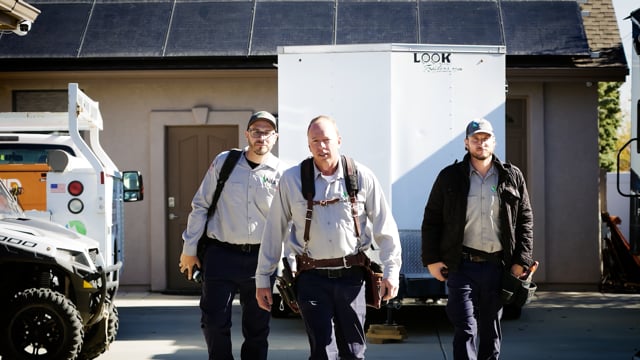
Seasoned Local Electricians - Hot Tub Electrical Installation In Prescott Valley, AZ
Electrical Troubleshooting In Prescott Valley, AZ - Always On-Time

Always On-Time

We arrive on time, communicate effectively, and work efficiently.

Do You Need an Electrician to Wire a Hot Tub?

Yes. Hot tub wiring is advanced electrical work and should be handled by a licensed electrician. Between GFCI requirements, disconnect placement, bonding and grounding rules, and manufacturer specifications, this is not a job to leave to guesswork.

Request Hot Tub Wiring in Prescott Valley

Ready to power your spa the right way? Contact Assurance Electrical Services for hot tub wiring in Prescott Valley. We’ll review your setup, install the wiring safely, and make sure everything is ready for real-world use.

Frequently Asked Questions

Yes. Hot tubs operate in a wet environment and draw a significant amount of power, so they are wired differently from typical household loads. Most installations require a dedicated circuit, GFCI protection, a readily accessible disconnect switch within sight of the tub, and bonding rules that reduce the risk of shock around metal parts and nearby surfaces. The exact requirements depend on whether the spa is a listed, self-contained unit or a hardwired 240-volt model, as well as what the manufacturer specifies for your tub.
Proper wiring begins with the manufacturer’s wiring diagram and a dedicated branch circuit sized specifically for the hot tub. For most 240-volt hardwired tubs, the standard setup involves a 2-pole GFCI breaker that feeds a spa disconnect panel, followed by conduit to the tub’s control pack with four conductors. The disconnect must be within sight of the hot tub and generally at least 5 feet from the inside wall unless a compliant barrier changes the reach path. Bonding and grounding are part of a safe, code-compliant install.
Wire size depends on the hot tub’s required amperage, the wiring method, and the distance from the panel, as longer runs may require upsizing to minimize voltage drop. Many full-size 240-volt hot tubs require a dedicated 50-amp circuit, with a common baseline of 6 AWG copper conductors in conduit. However, some tubs require 60 amps, while others are designed for 40 amps. The only correct answer is the one that matches the tub’s nameplate and instructions, then is verified against ampacity tables and the installation conditions.
.
Yes, in almost all cases. Code rules for spas and hot tubs require GFCI protection because it can trip fast when it senses current leaking to ground, which is especially important around water. For a 240-volt hardwired tub, this is commonly provided by a 2-pole GFCI breaker either in the main panel or in a spa panel that serves as the disconnect. Some listed self-contained units may have integral GFCI protection, if specifically marked as such; however, many installations still use a GFCI breaker.
Only if the manufacturer specifically allows it. Many full-size 240-volt hot tubs are designed to operate on 40 to 60 amps, allowing them to run the heater and pumps reliably. However, installing a larger tub on a 30-amp breaker can lead to nuisance tripping, weak performance, or the heater being locked out when the jets are in use. Some smaller or lower-demand models may be designed for 30 amps, but you should treat the tub’s nameplate and manual as the deciding factor, not a guess based solely on voltage.
Most hot tubs need a dedicated circuit that serves only the spa, not shared outlets or other loads. Many modern units utilize a 240-volt, single-phase, 4-wire connection with two hot conductors, a neutral conductor for any 120-volt components, and an equipment grounding conductor. The circuit typically includes a GFCI device and a disconnect within sight of the tub for service safety, as well as bonding requirements for the spa environment. Your exact circuit type and breaker size should match the manufacturer’s instructions and local inspection rules.
A straightforward installation is often completed on the same day, and many electricians quote a few hours for the wiring work when the panel has sufficient capacity and the route is straightforward. If the job requires trenching, a long conduit run, a subpanel, or a service upgrade, the on-site work can take longer, and permitting and inspections can add calendar time even if the labor hours stay reasonable. The fastest projects are usually the ones where the tub is placed and ready before the electrician arrives.

Request a Quote!

For a limited time, we’re offering huge discounts for an electrician in the Prescott area.