
Electrical Safety, Electrical Tips
10 Warning Signs You Need Electrical Rewiring in Prescott Home
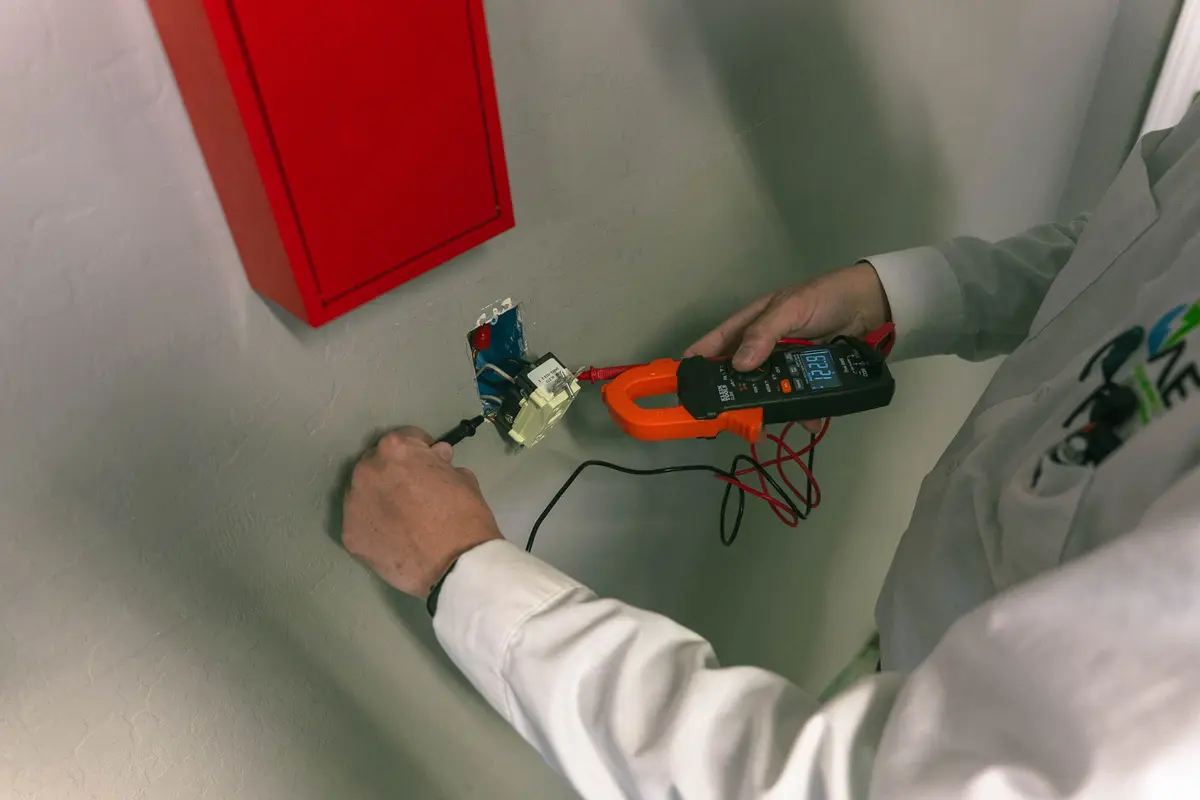
The clearest signs you need electrical rewiring in Prescott demand urgent action: frequent circuit breaker trips, flickering or dimming lights, warm or discolored outlets, burning smells, buzzing sounds from walls or the panel, visible frayed wiring, two-pronged ungrounded outlets, and mild shocks when touching appliances. Any one of these signals indicates your system is unsafe and may fail at any moment.
Many Prescott homes built from the 1960s to 1980s still rely on original wiring, designed for far fewer devices than found today. This article details every warning sign, its meaning, and when action is urgent. If you already see problems, see electrical fault finding for the next steps.
Key Takeaways
- Homes over 40 years old in Prescott should be professionally inspected, even without visible warning signs.
- Knob-and-tube and aluminum branch circuit wiring are the two most common outdated systems found in older Prescott homes.
- Burning smells, scorch marks, and buzzing sounds from walls or panels are urgent emergencies; act immediately. Do not wait or schedule a follow-up; get professional help now.
- Frequent breaker trips are not a breaker problem. They point to a wiring or load problem.
- Two-pronged outlets indicate an ungrounded system, which is a code violation and a shock risk.
- Full-house rewiring in Arizona typically costs between $8,000 and $20,000, depending on home size and wiring complexity.
10 Warning Signs You Need Electrical Rewiring
1. Circuit Breakers That Trip More Than Once a Month
One occasional trip is normal. Weekly trips mean the circuit is consistently overloaded, or the wiring behind it is failing. This is one of the most common signs you need electrical rewiring in Prescott, and one homeowners most often ignore because resetting the breaker feels like a fix. It is not. See what causes circuit breakers to trip for a full explanation of the causes.
2. Flickering or Dimming Lights
When a large appliance starts and the lights elsewhere in the house dim or flicker, this indicates that the circuit is not properly segmented or balanced. The appliance draws more power than the wiring can safely deliver, typically due to undersized wiring or loose connections. Both scenarios create excess heat inside the wall, increasing fire risk. See causes and fixes for flickering lights to understand what is happening.
3. Warm, Discolored, or Scorched Outlets and Switches
If an outlet feels warm or shows yellow, brown, or black scorch marks, your wiring is arcing inside the wall. Arcing is an immediate fire threat. Stop using the outlet right now and call a licensed electrician without delay.
4. A Persistent Burning Smell With No Identifiable Source
A burning plastic or chemical smell near an outlet, switch, or from inside a wall indicates that the wiring insulation is already overheating. In older homes with rubber or cloth insulation, breakdown exposes the wire fast. The moment you notice this, shut off the circuit at the panel and call now. Waiting could mean disaster.
5. Buzzing or Sizzling Sounds From Walls, Outlets, or the Panel
A healthy electrical system is silent. Hear buzzing, crackling, or sizzling from a wall, outlet, switch, or your main panel? That signals dangerous connections or failing wiring. Buzzing wires are under stress. At your panel, these sounds may signal a breaker or bus about to fail. Act now; don’t risk waiting.
6. Mild Shocks or Tingling When Touching Outlets or Appliances
Any shock, even the smallest, means electricity is flowing where it should not—often through you. This is an urgent warning of a grounding failure or wiring fault. Do not ignore; a licensed electrician must evaluate your system immediately.
7. Visible Frayed, Cracked, or Exposed Wiring
If you see cracked, frayed, or exposed wiring, especially in the garage, attic, or crawlspace, your home faces active fire and shock hazards. Prescott’s wild seasonal swings wreak havoc on old insulation. Never tape or cover exposed wiring. Replace it without delay.
8. Two-Pronged Outlets Throughout the Home
Two-pronged outlets mean your system is ungrounded. Without grounding, a wiring fault has nowhere to go except through the person touching the appliance. Modern code requires grounded outlets throughout the home. If your Prescott home still has two-pronged outlets in most rooms, rewiring is the correct long-term fix. A GFCI outlet is a short-term option for individual locations.
9. Knob-and-Tube or Aluminum Branch Circuit Wiring
Knob-and-tube wiring, found in homes built before the 1950s, uses two separate conductors with no ground and cloth insulation that deteriorates with age. Aluminum branch-circuit wiring, common in the 1960s and 1970s, expands and contracts with heating and cooling cycles and can loosen at connection points, creating arcing and fire risk. If your Prescott home has either system, get a professional assessment. Review the cost to rewire a house to understand what replacement involves.
10. Your Home Is Over 40 Years Old With No Electrical Upgrades
Homes built before 1984 were commonly designed for 60-amp or 100-amp service. Most modern households need 150 to 200 amps. According to the Electrical Safety Foundation International (ESFI), an estimated 51,000 home fires occur each year due to electrical failures, many in older homes that were never upgraded to meet today’s electrical demands. If your home has never had a panel upgrade or wiring update, the system is operating at or beyond its design limit every time you run the dishwasher, AC, and a few other appliances simultaneously.
At-a-Glance: Signs, Risk Level, and Urgency
| Warning Sign | What It Indicates | Urgency |
| Breaker trips monthly or more | Overloaded or failing wiring | Schedule within weeks |
| Flickering or dimming lights | Undersized or unbalanced circuits | Schedule within weeks |
| Warm or scorched outlets | Active arcing inside the wall | Stop using the outlet today |
| Burning smell, no source | Wiring insulation overheating | Shut off the circuit, call now |
| Buzzing or sizzling sounds | Loose connections or a failing breaker | Call the same day |
| Shocks from outlets or appliances | Grounding failure or wiring fault | Stop using, call now |
| Visible frayed or cracked wiring | Exposed conductor, fire, and shock risk | Call the same day |
| Two-pronged outlets throughout | Ungrounded system, code violation | Schedule inspection |
| Knob-and-tube or aluminum wiring | Outdated system, possible fire risk | Schedule assessment |
| Home 40+ years, no upgrades | System under-capacity for modern load | Schedule inspection |
Things to Know Before You Call
- Rewiring a house in Arizona requires permits. A licensed electrician pulls the permit and manages the inspection with the city or county. Homeowners cannot pull their own electrical permits in most Arizona jurisdictions. See what an electrical contractor does for a clear picture of the process.
- You do not always need to move out during rewiring. Electricians work room by room, restoring power before moving on. Larger homes may take 3 to 7 days.
- A panel upgrade often goes hand in hand with rewiring. If your home has a 60-amp or 100-amp panel, your electrician will likely recommend upgrading to 150 or 200 amps at the same time.
- Rewiring increases your home’s resale value and makes it easier to insure. Many carriers charge higher premiums or decline coverage entirely for homes with knob-and-tube or aluminum wiring.
- A whole-home safety inspection is the right starting point if you are not sure what your home has. An electrician can document what type of wiring is present, its condition, and what needs to be changed.
Get an Honest Assessment
Knowing the signs you need electrical rewiring in Prescott is only useful if you respond immediately. These warning signs will not go away; they grow more severe and dangerous the longer you wait. Act now, before something fails inside your walls.
Assurance Electrical Services serves homeowners across Prescott and the surrounding areas. We inspect, advise, and rewire with no hidden costs. If your home shows any of these signs, or if it is simply old enough that it has never been checked, contact us here, and we will tell you exactly what you are working with.
Frequently Asked Questions
How do I know if my house needs a rewire?
Watch for frequent breaker trips, flickering lights, warm outlets, burning smells, buzzing sounds, shocks, or any home over 40 years old with no electrical updates. Spotting two or more? Call for evaluation at once. A single sign, like a burning smell or shock, means you must act right now. Begin with an electrical safety inspection; your electrician will tell you whether immediate repair or full rewiring is needed.
Are there warning signs before an electrical fire?
Yes. Burning smells, discolored or warm outlets, buzzing sounds from walls, and flickering lights are pre-fire emergencies; your wiring is overheating or arcing. Most electrical fires build slowly from undetected failures. Smell burning or hear sizzling? Treat it as an emergency and shut off power at the panel immediately.
How to tell if your house has bad wiring?
Look for two-pronged outlets, exposed or frayed wires, scorch marks on outlets, and old fuse boxes. These signs of bad wiring signal urgent danger. Only a licensed electrician can confirm the full risk in your walls. See home wiring safety checks for what an inspection finds—and do this promptly.
How expensive is a full house rewiring?
Full house rewiring in Arizona typically ranges from $8,000 to $20,000 for a standard single-family home, depending on square footage, wiring type, and whether a panel upgrade is included. A 1,500-square-foot home with straightforward access typically sits at the lower end of that range. Get a written estimate before any work begins. See the cost to rewire a house for a detailed breakdown.
At what age should a house be rewired?
A home over 40 years old with no electrical updates must be inspected immediately. Homes over 50 years old with original wiring nearly always require partial or full rewiring. Many Prescott homes built in the 1970s and 1980s need urgent evaluation. Contact a local electrician now for an honest assessment of your wiring condition.