
Electrical Safety, Electrical Tips
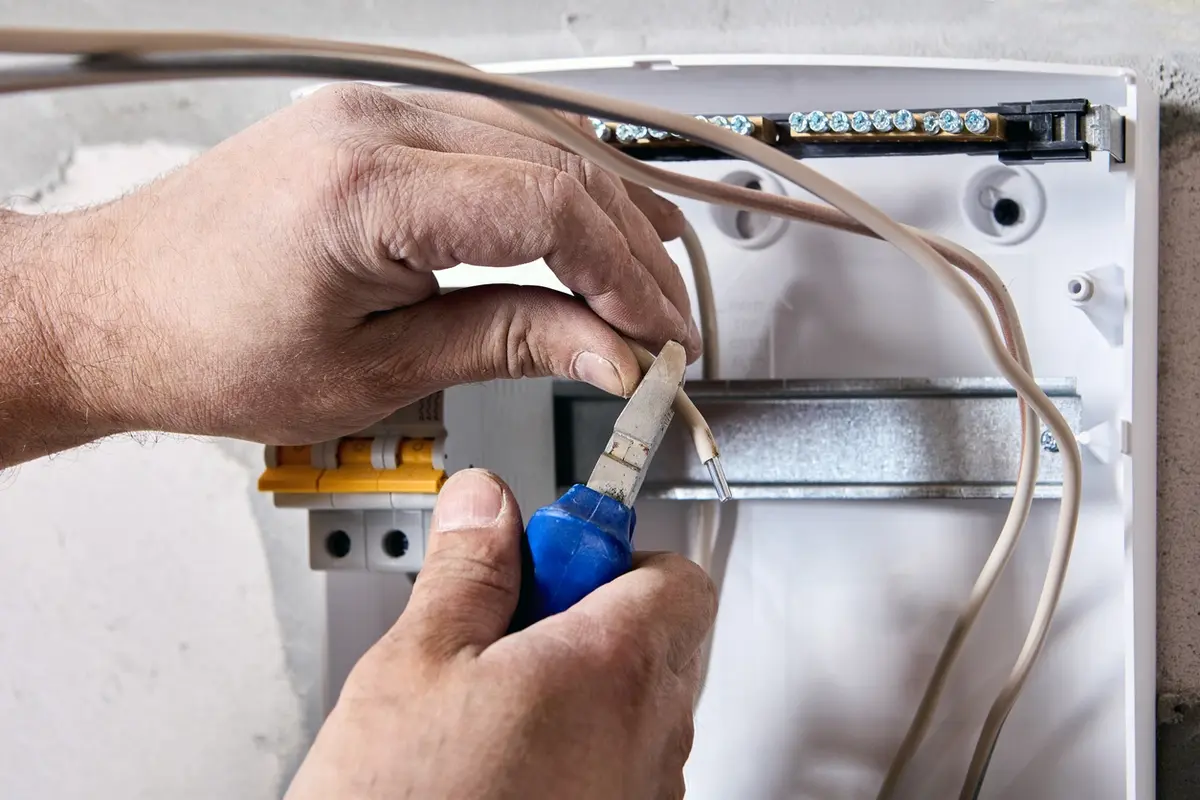
Not all aluminum wiring has to be replaced, but every inch of it deserves a professional evaluation. In many cases, approved repairs can make aluminum wiring safe to keep, while other homes are stronger candidates for a full rewire.
Key Takeaways
- Homes with pre-1972 aluminum wiring are 55 times more likely to reach fire hazard conditions than homes wired with copper, according to the U.S. Consumer Product Safety Commission (CPSC).
- Aluminum wiring itself is not the core problem. The real danger lives at the connection points, where oxidation, thermal expansion, and loose fittings cause overheating.
- The CPSC approves three main remediation methods: COPALUM crimp connectors, AlumiConn connectors, and CO/ALR-rated devices.
- Many homeowners insurance carriers in the U.S. will refuse new policies or charge higher premiums for homes with un-remediated aluminum wiring.
- A licensed electrician should inspect the wiring before you decide whether to repair or replace it. The right answer depends on your home’s age, wiring condition, and long-term safety goals.
- Complete rewiring is the safest long-term option, but it is not always required if proper remediation is performed correctly.
Why Aluminum Wiring Became So Common in the First Place
Between the mid-1960s and early 1970s, copper prices spiked sharply. Builders and contractors needed a cheaper alternative, and aluminum fit the bill. Roughly two million homes across the United States were wired with aluminum during that window. In states with large housing booms during that era, including parts of Arizona, these homes are still very much occupied today.
At the time, aluminum seemed like a practical substitute. It conducts electricity reasonably well, it was abundant, and it cost far less per foot than copper. Nobody realized the long-term problems that would surface at the connection points until house fires and overheating incidents started raising red flags.
So if you own a home built between roughly 1965 and 1973, there is a real chance you have aluminum branch circuit wiring. The question most homeowners ask me is the same one I want to address head-on: can aluminum wiring be left in place, or should it be replaced? The honest answer is that it depends, but inaction is never the right choice.
The Real Danger With Aluminum Wiring Is at the Connections
A lot of homeowners assume the aluminum wire itself is the hazard, like it is somehow defective as a material. The wire running through your walls is not actually the biggest concern. The danger concentrates at every point where the wire connects to something: outlets, switches, light fixtures, breakers, and junction boxes.
Here is what happens physically at those connection points over time:
- Oxidation: Aluminum oxidizes when exposed to air, creating a layer of aluminum oxide on the surface. That layer is resistive, meaning electricity has to push harder to pass through it. That extra resistance generates heat.
- Thermal expansion: Aluminum expands more than copper when it heats up. Every time current flows, the wire expands slightly. When it cools, it contracts. Over years and thousands of cycles, this movement loosens screws and terminals at connection points.
- Material softness: Aluminum is a softer metal than copper. During installation or any time someone disturbs a connection, the wire is more prone to nicking or deforming, which creates weak spots.
The CPSC data on this is sobering. Homes with pre-1972 aluminum wiring are 55 times more likely to have connections reach fire hazard conditions compared to copper-wired homes. That is not a minor statistical difference. It is the kind of number that should put aluminum wiring firmly on your radar, especially if you have never had a professional inspect it.
Performing regular home wiring safety checks is one of the simplest ways to catch early warning signs before they become expensive or dangerous problems.
Approved Methods for Repairing Aluminum Wiring Without Replacing It
The CPSC recognizes that full replacement is not always financially practical or structurally necessary. That is why it has approved specific remediation methods that address the real risk, which is at the connections. Here are the three main options:
COPALUM Crimp Connectors
This is the gold standard. COPALUM connectors join a short piece of copper wire to the existing aluminum wire at each connection point throughout the home. The special crimp creates a cold-weld bond that the CPSC considers the most reliable long-term solution. The catch is that COPALUM connectors must be installed by a certified technician using proprietary tools. Not every electrician is certified to install them, so you need to verify that up front.
AlumiConn Connectors
AlumiConn connectors are also CPSC-approved and are considered a permanent repair when installed correctly. A qualified electrician attaches these mechanical connectors at each termination point to create a safe, stable connection between the aluminum wire and a copper pigtail. They are more widely available than COPALUM and can be installed by licensed electricians without proprietary equipment.
CO/ALR Rated Devices
CO/ALR-rated outlets and switches are specifically designed to accommodate aluminum wiring safely. Replacing standard devices with CO/ALR versions reduces risk at those individual points. However, the CPSC does not consider this a complete or standalone long-term fix. It is better used as part of a broader remediation plan.
When a Full Rewire Is the Better Choice
Remediation works well in many homes, but there are situations where a full rewire is the smarter investment. If the aluminum wiring has already suffered significant damage, if connections are severely corroded throughout the home, or if you are planning a major renovation anyway, replacing the wiring during construction makes financial and practical sense.
Older homes with knob-and-tube wiring mixed in, undersized circuits, or panels that have already been flagged for other safety issues may benefit more from a comprehensive approach. If you are already pulling permits for a remodel, adding a rewire to the scope of work is far less disruptive and costly than doing it as a standalone project later.
|
Option |
CPSC Approval | Long-Term Fix | Requires Certified Tech |
Relative Cost |
|
COPALUM Crimp Connectors |
Yes | Yes | Yes |
Moderate to High |
|
AlumiConn Connectors |
Yes | Yes | Licensed electrician |
Moderate |
|
CO/ALR Rated Devices |
Partial | No (standalone) | Licensed electrician |
Lower |
|
Full Copper Rewire |
N/A | Yes | Licensed electrician |
High |
What Aluminum Wiring Does to Your Insurance and Home Value
Here is where the financial stakes get real. Many homeowners insurance carriers in the United States will either refuse to write a new policy for a home with un-remediated aluminum wiring or will charge significantly higher premiums. If you are buying a home and your inspector flags aluminum wiring, your lender and insurer will both have opinions about it.
From a resale standpoint, sellers who have not addressed their aluminum wiring often face one of two outcomes: buyers ask for a price reduction to cover the cost of remediation or rewiring, or buyers walk away entirely. Neither outcome is good. Investing in proper remediation before listing the home is almost always the smarter move.
Homeowners who are curious about the financial scope of rewiring should look at how much does it cost to rewire an older home for a realistic breakdown of what a full project involves.
Things to Know
- Aluminum wiring used for branch circuits (the smaller gauge wiring running to outlets and switches) is the biggest concern. Large-gauge aluminum wiring used for service entrance cables and major appliance circuits is still widely used and generally considered safe with proper installation.
- If your home was built between 1965 and 1973, the odds of having aluminum branch circuit wiring are high enough to justify a professional inspection even if you have no obvious symptoms.
- Warning signs that your aluminum wiring connections may already be failing include warm outlet cover plates, flickering lights, burning or hot plastic smells near outlets, and breakers that trip frequently without an obvious cause.
- A partial remediation is better than no remediation at all. Even addressing the highest-use outlets and switches while you budget for a full assessment reduces risk meaningfully.
- Not every electrician is equipped or certified to perform COPALUM repairs. Always confirm credentials and familiarity with aluminum wiring remediation before hiring.
- Aluminum wiring disclosure is required in many real estate transactions across the U.S. Failing to disclose it can expose sellers to legal liability.
What I Recommend Doing First
Before you spend a dollar on anything, get the wiring evaluated by a licensed Prescott Valley electrician who has direct experience with aluminum wiring remediation. The inspection will tell you how much wiring is affected, what condition the connections are in, whether the wiring is correctly sized for its circuits, and which repair approach makes the most sense for your home.
At Assurance Electrical Services, we work with homeowners throughout Prescott Valley, Prescott, Chino Valley, and the broader Yavapai County area. We inspect, assess, and provide clear options so you understand exactly what you are dealing with before making any decisions. We are licensed (ROC #322083), bonded, and insured, and we have been serving Northern Arizona families for over 20 years.
Can Aluminum Wiring Be Left in Place, or Should It Be Replaced?
The direct answer is this: yes, aluminum wiring can be left in place in many homes, but only when it has been properly evaluated and remediated by a licensed electrician. Ignoring it is not an option if you care about fire safety, insurance coverage, or your home’s resale value.
If your home has aluminum branch circuit wiring that has never been inspected or repaired, the next step is clear. Schedule a professional assessment. Whether the solution is AlumiConn connectors, COPALUM repairs, targeted device replacement, or a full rewire, the right answer depends on what a qualified electrician finds during the evaluation.
Call Assurance Electrical Services at (928) 713-2177 or request a quote using our form. We will inspect your wiring, explain your options without pressure, and help you make the safest, most cost-effective decision for your home.
Frequently Asked Questions
1. Should I replace aluminum wiring in my house?
Not always, but it must be evaluated and remediated by a licensed electrician. Aluminum wiring does not automatically require full replacement. If the wiring is properly sized for its circuits and all connection points are repaired using CPSC-approved methods like COPALUM or AlumiConn connectors, it can remain safely in place. However, homes with severely degraded connections, older panels, or significant wiring damage may be better served by a full copper rewire.
2. Will homeowners insurance cover aluminum wiring?
Many insurance carriers in the U.S. will refuse to write new policies for homes with un-remediated aluminum wiring or will charge higher premiums. Coverage policies vary widely by insurer, but aluminum wiring is a known red flag for most underwriters. Some carriers will insure the home only if remediation is completed first. If you are buying or selling a home with aluminum wiring, contact your insurance agent before closing to understand what documentation they require.
3. How much does it cost to replace aluminum wiring in a house?
The cost varies significantly based on home size, wiring condition, and whether you choose remediation or full rewiring. A partial remediation using AlumiConn connectors on a typical home might range from a few hundred to a few thousand dollars depending on how many connection points need attention. A full copper rewire on a larger older home can run anywhere from $8,000 to $20,000 or more. Getting a professional assessment is the only way to get an accurate number for your specific home.
4. Do older homes have aluminum wiring?
Yes, homes built between approximately 1965 and 1973 are most likely to have aluminum branch circuit wiring. During that period, rising copper prices pushed builders toward aluminum as a cheaper substitute. Roughly two million U.S. homes were wired with aluminum during this era. If your home was built in that window and has never been inspected for aluminum wiring, scheduling an evaluation is strongly recommended.
5. How to fix aluminum wiring without replacing?
The CPSC approves three methods: COPALUM crimp connectors, AlumiConn connectors, and CO/ALR-rated devices. COPALUM connectors are the most rigorously approved option and require a certified installer. AlumiConn connectors are also considered a permanent fix when installed properly by a licensed electrician. CO/ALR-rated outlets and switches reduce risk at individual points but are not recommended as the sole remediation strategy. A licensed electrician can assess which method is appropriate for your home.