
Creative Ideas, Electrical Panel
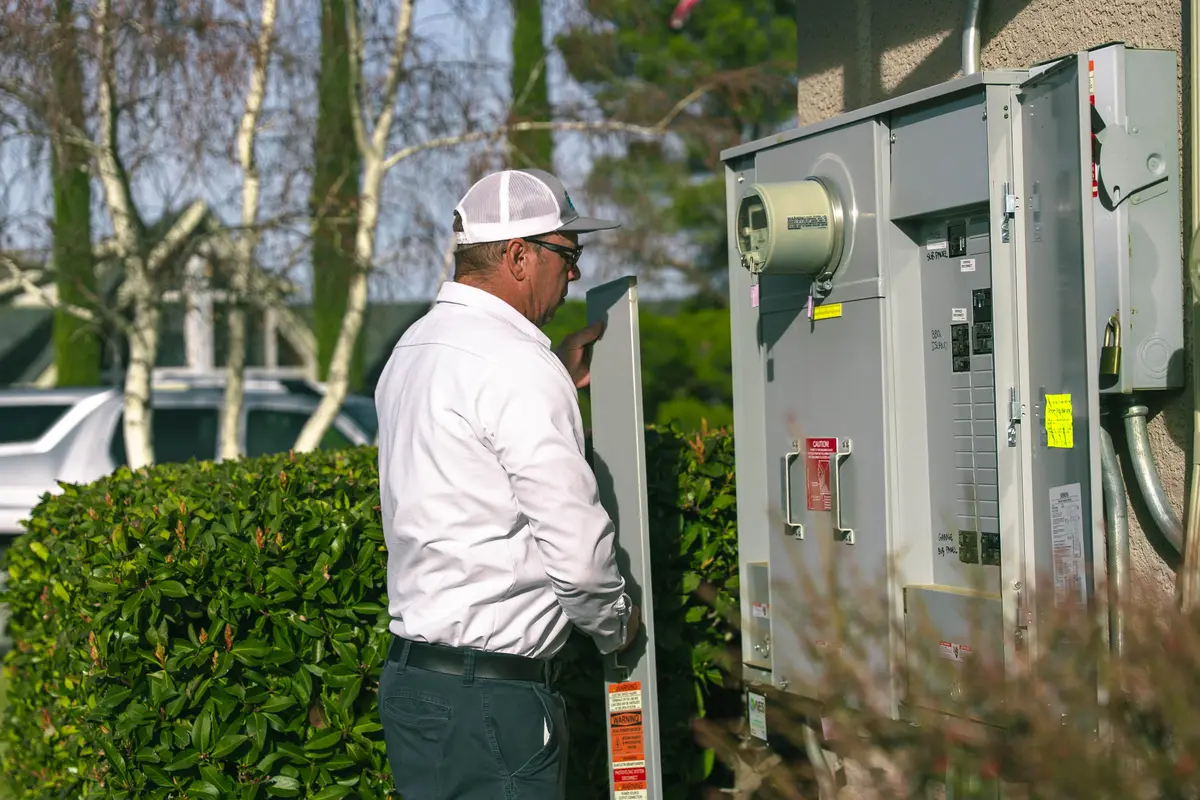
How Electrical Panels Work?
The electrical panel receives power from the utility and distributes it to circuits via breakers. Each breaker carries a set amperage. If a circuit draws too much current, the breaker trips before wires overheat or catch fire.
Most Arizona homes have 200-amp service. The panel, located between the utility meter and your wiring, controls circuits from outlets to HVAC. Arizona’s heat strains electrical systems, making knowledge of panels important.
Key Takeaways
- An electrical panel controls all power distribution through circuit breakers rated in amps.
- Most Arizona homes have 150 to 200-amp service. Homes with EV chargers, hot tubs, or large HVAC units often need at least 200 amps.
- Each breaker should operate at no more than 80% of its rated capacity under continuous load per code.
- Arizona’s summer heat accelerates panel wear. Panels in unconditioned garages are most vulnerable.
- Most residential panels last 25 to 40 years. Federal Pacific and Zinsco panels are known safety risks regardless of age.
- With a basic understanding of what a panel does, it’s helpful to explore how the inner components work. Upgrading a panel, when the time comes, requires a licensed electrician and a permit in Arizona.
How an Electrical Panel Actually Works
Power Comes In from the Utility Meter
Electricity enters your home from the grid through the meter, then connects to your main breaker. Flipping the main breaker off cuts power to every circuit in the house. It does not, however, cut power from the utility side. The wires feeding into the main breaker remain live even with the breaker off. This is why electrical panel work always requires a licensed electrician.
The Hot Bus Bar Feeds Every Circuit
Once power passes through the main breaker, it flows to the hot bus bar—a conductive metal bar inside the panel that carries electrical current. Individual circuit breakers snap onto this metal bar. Each breaker connects to a separate wire running to a specific area of your home: a bedroom, the kitchen, the garage, or the HVAC system. The number printed on each breaker (15, 20, 30, 50) is its amperage rating, meaning the maximum amount of electrical current it can safely carry before it trips.
The 80% Rule
A breaker should not run at maximum amperage long-term. The National Electrical Code limits the continuous load to 80% of capacity. A 20-amp circuit, for example, should only carry 16 amps continuously. Exceeding this overheats the wiring. A tripped breaker is working as intended; repeated trips mean overload. See what causes breakers to trip for details.
Neutral and Ground Bus Bars Complete the Circuit
Neutral wires (white) return current to the panel. Ground wires (green or bare copper) safely divert fault current to ground. In the main panel, neutral and ground bars are bonded; in subpanels, they stay separate.
The Four Main Types of Residential Electrical Panels
1. Main Breaker Panel
This is the standard panel in most Arizona homes. It includes the main breaker, the hot bus bar, and slots for individual circuit breakers. If your home needs more circuits than the panel can support, a subpanel is added downstream. Learn more about electrical panel installation and what the process involves.
2. Subpanel
A subpanel is a secondary panel fed by a feeder circuit from the main panel. It distributes power to a specific area, such as an addition, detached garage, or workshop. Unlike the main panel, the neutral and ground bus bars in a subpanel must be separated. Installing a subpanel requires a licensed electrician and a permit. See common electrical upgrades for homes for when a subpanel makes sense.
3. Transfer Switch Panel
Homes with backup generators use a transfer switch to move from utility power to generator power during an outage. Both manual and automatic types must be installed by a licensed electrician to prevent back-feeding power onto the utility lines, which is both dangerous and illegal.
4. Fuse Box
Older Arizona homes built before the 1960s may still use fuse boxes. Fuses must be replaced when a circuit overloads. Fuse boxes cannot handle the demands of modern homes. If you have one, a panel upgrade is the answer.
Why Arizona’s Climate Affects Your Electrical Panel
Heat is the biggest enemy of electrical components. Prescott summers often top 90 degrees, and panels in hot garages go higher. Prolonged heat breaks down insulation, loosens connections as metals expand and contract, and wears out breakers faster.
Arizona’s monsoon season (July through September) brings power surges from lightning and grid fluctuations. According to the Insurance Information Institute, power surges are among the most common causes of electrical damage to home systems. A whole-home surge protector installed at the panel protects every circuit from those spikes. See the pros and cons of whole-house surge protection to decide if it makes sense for your home.
Arizona’s growth means more homes have EV chargers, hot tubs, and high-demand appliances that older panels cannot support. A 100-amp panel from the 1970s is not enough for today.
Things to Know About Your Electrical Panel
- Federal Pacific and Zinsco panels, installed widely between the 1950s and 1980s, are known to fail under fault conditions. If your home has either brand, replacement is the recommended action regardless of age.
- A breaker that trips once after an unusual load works as intended. Frequent trips under normal use suggest the circuit is undersized or the wiring is failing. Resetting it repeatedly is unsafe.
- Panel upgrades in Arizona require a licensed electrician and an electrical permit. The work must pass inspection before the utility company will reconnect service.
- If your panel feels warm to the touch, produces a burning smell, or makes buzzing or crackling sounds, those are urgent warning signs. Shut off the main breaker and call for emergency electrical service immediately.
- Panels should be professionally inspected every 5 to 10 years, or if you notice performance changes.
Get a Professional Eye on Your Panel
Most homeowners ignore their electrical panel until something goes wrong. If your panel is old, hot, or never inspected, have it checked before a small problem becomes expensive. The Electrical Safety Foundation International (ESFI) reports that electrical failures and malfunctions cause about 51,000 home fires annually in the U.S. An inspection takes less than an hour and pinpoints issues.
Assurance Electrical Services inspects, repairs, and upgrades panels for Prescott-area homeowners. Contact us here for a direct assessment of your panel’s condition.
Frequently Asked Questions
How long do electrical panels last in Arizona?
Most residential panels last 25 to 40 years. Arizona’s heat can shorten that lifespan, particularly for panels in unconditioned garages. A 25-year-old panel that is well-maintained and correctly sized may still be serviceable. One that has been running near capacity in a hot garage for 20 years may need attention sooner. The only way to know the actual condition is a professional inspection.
How does an electrical panel work?
Utility power enters through the meter, connects to the main breaker, flows to the hot bus bar, and is distributed through individual circuit breakers to each wired area of the home. Each breaker trips if its circuit draws more current than its rated amperage. The neutral and ground bus bars complete the return path for current and provide fault protection.
What are the four types of electrical panels?
The four main types used in residential settings are: main breaker panels, subpanels, transfer switch panels, and fuse boxes. The main breaker panel is standard in virtually every Arizona home built after 1970. Subpanels serve specific zones with high demand. Transfer switches support backup generators. Fuse boxes are found in older homes and are not adequate for modern electrical loads.
Should I be worried about a Federal Pacific or Zinsco panel?
Yes. Both brands have documented failure rates under fault conditions, meaning the breakers may not trip when they should. If your home has either panel, contact a licensed electrician to discuss replacement. See how to upgrade your electrical panel for what that process involves.