
Electrical Inspection, Electrical Panel, Electrical Safety, Electrical Tips, Residential
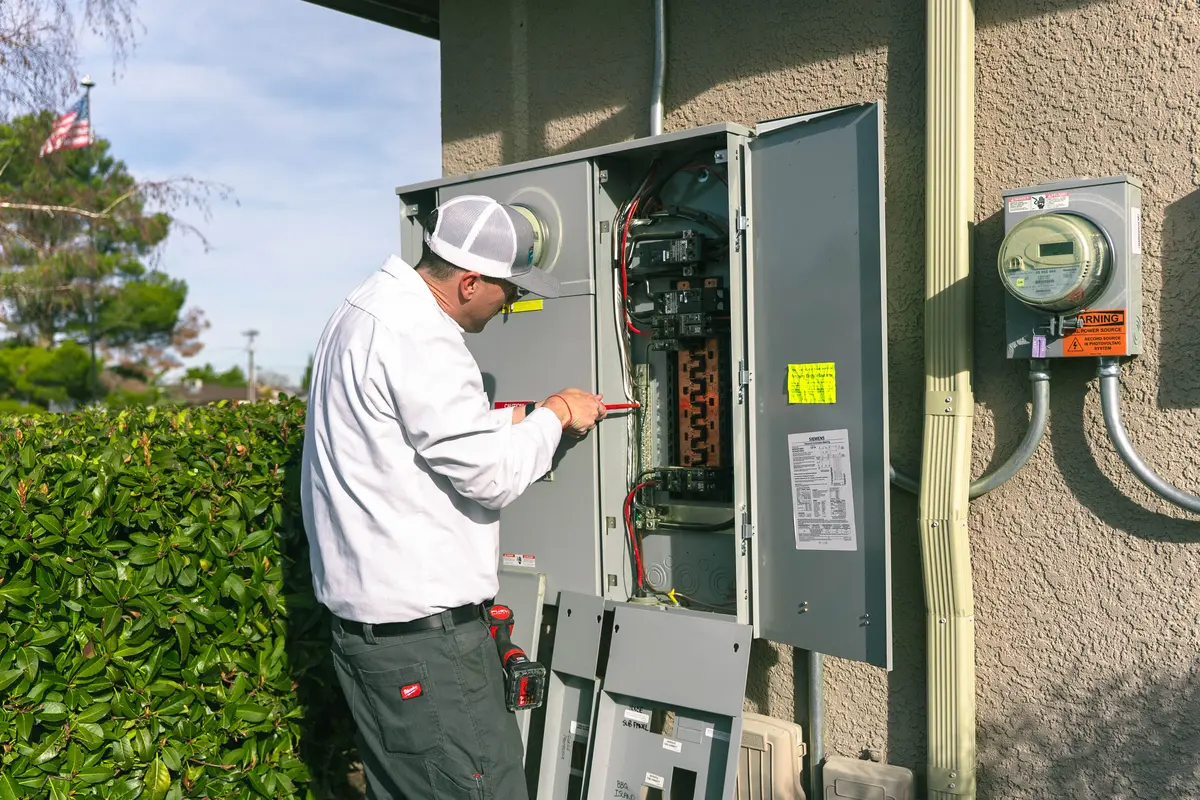
Circuit breakers are one of the most important safety features in your home’s electrical system. Their job is to stop the flow of electricity when a circuit becomes overloaded or unsafe. While an occasional breaker trip may not be cause for alarm, frequent trips often indicate an underlying electrical problem that should be addressed as soon as possible.
Many homeowners in Prescott Valley experience recurring breaker trips without understanding why they happen. From overloaded circuits and faulty appliances to outdated electrical panels, several issues can trigger a breaker and interrupt power throughout your home.
If you’re constantly resetting breakers, it’s important to understand the root cause before a minor inconvenience turns into a major electrical hazard. Working with a professional Electrician Prescott Valley homeowners trust can help identify and resolve these issues safely and efficiently.
Understanding How Circuit Breakers Protect Your Home
Circuit breakers are designed to monitor electrical current flowing through your home’s wiring. When the current exceeds safe limits, the breaker automatically shuts off power to prevent overheating, damaged wiring, and electrical fires.
Think of a circuit breaker as your home’s first line of defense against dangerous electrical conditions.
Without properly functioning breakers, overloaded circuits could overheat and create serious fire risks. While many homeowners become frustrated when a breaker trips, the reality is that the breaker is doing exactly what it was designed to do protect your family and property.
However, when breakers trip repeatedly, it’s often a sign that something else within the electrical system requires attention.
Common Reasons Circuit Breakers Keep Tripping
1. Circuit Overloads
The most common cause of a tripped breaker is a circuit overload.
An overload occurs when too many devices draw electricity from the same circuit at the same time. Modern homes use significantly more power than homes built decades ago, and many older electrical systems struggle to keep up with current demands.
Examples of circuit overloads include:
- Running multiple kitchen appliances simultaneously
- Using portable space heaters
- Operating power tools in a garage
- Charging electric vehicles
- Running air conditioning systems continuously
- Plugging numerous electronics into one outlet
When more electricity is demanded than the circuit can safely provide, the breaker trips to prevent overheating.
If overloads happen regularly, professional electrical repair services can identify overloaded circuits and recommend solutions such as dedicated circuits or electrical upgrades.
2. Short Circuits
A short circuit occurs when a hot wire comes into contact with a neutral wire. This causes a sudden surge of electrical current that can quickly generate dangerous levels of heat.
The breaker immediately trips to stop the flow of electricity and prevent damage.
Common signs of a short circuit include:
- Burning smells
- Scorched outlets
- Melted wires
- Sparking outlets
- Immediate breaker trips after resetting
Short circuits should never be ignored. They can increase the risk of electrical fires and may indicate deteriorating wiring hidden behind walls.
In some older homes, damaged wiring may require whole-house rewiring to restore safety and ensure the electrical system meets modern standards.
- Ground Faults
Ground faults occur when electricity unintentionally travels outside its intended path and finds a direct route to the ground.
These situations commonly occur in:
- Bathrooms
- Kitchens
- Laundry rooms
- Garages
- Outdoor outlets
Ground faults are particularly dangerous because they can increase the risk of electrical shock.
To reduce this danger, many homes utilize Ground Fault Circuit Interrupter (GFCI) outlets. These devices quickly disconnect power when they detect abnormal electrical flow.
If GFCI outlets or breakers continue tripping, an electrical safety inspection can help identify hidden hazards before they become serious problems.
4. Faulty Appliances
Sometimes the issue isn’t with the electrical system itself.
A malfunctioning appliance can draw excessive current and repeatedly trip a breaker.
Common culprits include:
- Refrigerators
- Microwaves
- Dishwashers
- Washing machines
- Clothes dryers
- Air conditioners
- Water heaters
One simple troubleshooting method involves unplugging the suspected appliance and observing whether the breaker continues to trip.
If the problem disappears after disconnecting a particular device, the appliance may need professional repair or replacement.
5. Outdated Electrical Panels
Many homes in Prescott Valley were built before today’s technology-heavy lifestyles became the norm.
Years ago, homeowners didn’t have:
- Multiple televisions
- Home offices
- Smart home systems
- Electric vehicle chargers
- Advanced HVAC systems
As electrical demand increases, older panels may struggle to supply enough power safely.
Common signs of an aging panel include:
- Frequent breaker trips
- Flickering lights
- Buzzing sounds
- Warm breaker panels
- Limited breaker space
In these situations, electrical panel upgrades often provide a long-term solution by increasing capacity and improving overall safety.
Why Arizona’s Heat Can Contribute to Breaker Problems
Prescott Valley’s hot summers can place additional stress on residential electrical systems.
Air conditioners often run continuously throughout the day, significantly increasing electrical demand.
During extreme temperatures:
- HVAC systems work harder
- Refrigerators run longer
- Ceiling fans operate continuously
- Additional cooling equipment may be used
These increased demands can expose weaknesses within older electrical systems and cause breakers to trip more frequently.
Many homeowners notice electrical problems becoming more common during the summer months when energy usage reaches its peak.
Warning Signs You Should Never Ignore
Frequent breaker trips are often accompanied by other warning signs that indicate a larger problem.
Contact an electrician if you notice:
- Flickering lights
- Burning odors
- Buzzing sounds
- Warm outlets
- Sparking switches
- Frequent power fluctuations
- Discolored receptacles
These symptoms may indicate overloaded circuits, damaged wiring, loose connections, or other serious electrical hazards.
Prompt action can prevent expensive repairs and improve overall safety.
Safe Troubleshooting Steps Homeowners Can Take
Before contacting an electrician, there are a few safe troubleshooting steps you can perform.
Identify the Affected Circuit
Determine which breaker is tripping and identify the devices connected to that circuit.
Reduce Electrical Load
Unplug unnecessary appliances and observe whether the breaker continues to trip.
Check for Visible Damage
Inspect outlets, plugs, and extension cords for:
- Burn marks
- Discoloration
- Cracks
- Loose connections
Test Appliances Individually
Reconnect appliances one at a time to determine whether a particular device may be causing the issue.
Avoid Constant Resets
If a breaker trips repeatedly, do not continue resetting it.
Repeated resets may temporarily restore power but won’t solve the underlying problem.
When to Call a Professional Electrician
While homeowners can perform basic troubleshooting, certain situations require professional attention.
Call an electrician if:
- Breakers trip repeatedly
- You smell burning odors
- Lights flicker frequently
- Outlets feel warm
- Sparks are visible
- The electrical panel appears damaged
A licensed electrician can safely diagnose the problem and recommend the most effective solution.
Professional inspections often reveal issues that aren’t visible to homeowners, including damaged wiring, loose connections, overloaded circuits, and outdated equipment.
The Benefits of Professional Electrical Inspections
Electrical inspections provide peace of mind and help identify potential issues before they become major problems.
During an inspection, electricians typically:
- Evaluate circuit loads
- Test breaker performance
- Inspect wiring conditions
- Check electrical panels
- Verify code compliance
- Identify safety hazards
These evaluations help ensure your home’s electrical system remains safe, reliable, and capable of meeting modern energy demands.
Trust Assurance Electrical Services for Expert Electrical Solutions
Frequent circuit breaker trips should never be ignored. What appears to be a simple inconvenience may indicate overloaded circuits, damaged wiring, faulty appliances, or an outdated electrical panel.
The experienced team at Assurance Electrical Services provides comprehensive troubleshooting, repairs, inspections, and upgrades for homeowners throughout Prescott Valley and surrounding communities.
Whether you need diagnostics, repairs, or a complete electrical system evaluation, Assurance Electrical Services is ready to help keep your home safe, efficient, and powered reliably.
Contact our team today to schedule an inspection and get professional assistance with your electrical concerns.
Frequently Asked Questions
Is it normal for a circuit breaker to trip occasionally?
Yes. An occasional trip can happen when a circuit becomes overloaded. Frequent trips indicate an issue that should be investigated.
Can a bad breaker cause repeated trips?
Yes. Breakers can wear out over time and may need replacement.
Is a tripped breaker dangerous?
The breaker itself is protecting your home. However, the underlying cause may present safety risks if left unresolved.
How often should electrical panels be inspected?
Most homeowners benefit from professional inspections every few years, especially if the home is older or electrical issues are present.
Do I need a panel upgrade?
If your panel frequently trips breakers, lacks capacity, or is more than a few decades old, an upgrade may be recommended.