
Creative Ideas, Electrical Safety, Electrical Tips, Emergency Electrical Services
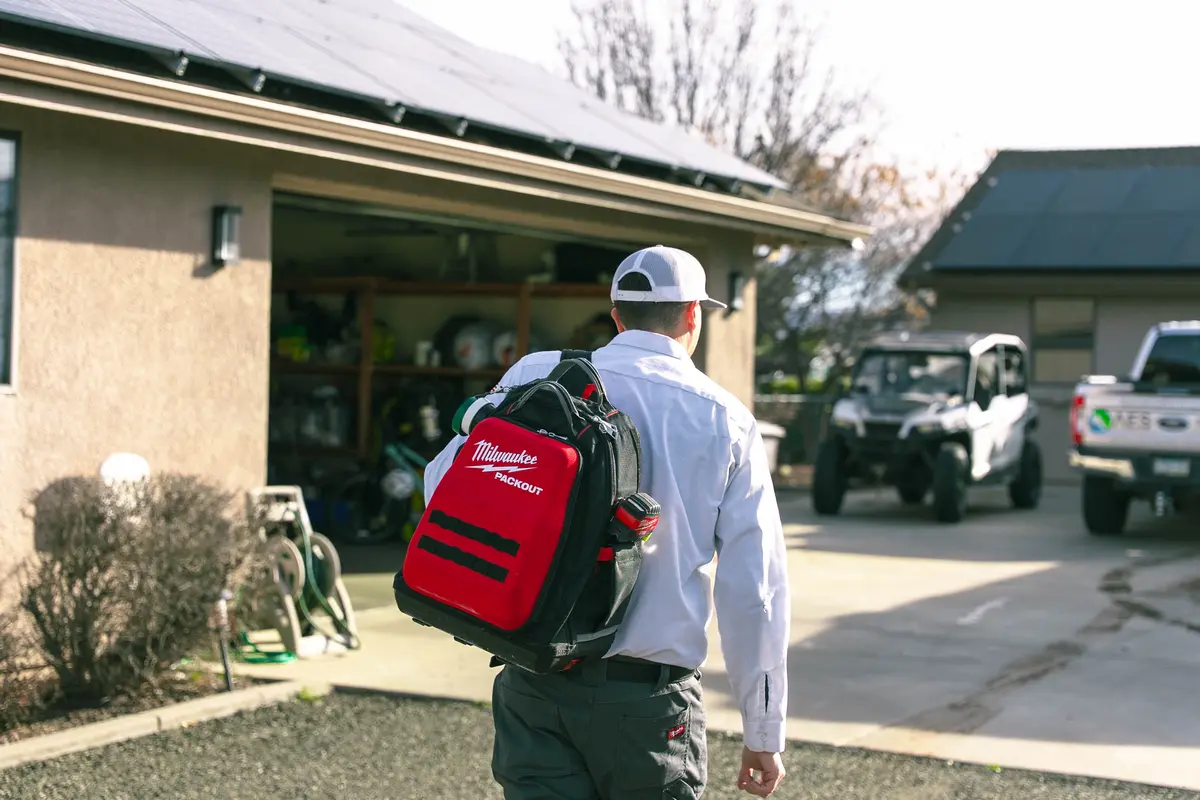
Electrical problems in older homes stem from aging systems designed for less power than modern households need. Common causes include outdated wiring, such as knob-and-tube or aluminum circuits; undersized panels; ungrounded outlets; missing GFCI and AFCI protection; and overloaded circuits from devices added over the decades.
In Prescott, a large share of the housing stock dates to the 1960s through the 1980s. Many of those homes carry original wiring that has never been evaluated by a licensed electrician. If you are already seeing symptoms, see electrical fault finding for where to start. Understanding the local context, let’s look at common electrical risks in older homes.
Key Takeaways
- Homes built before 1980 are most at risk for outdated wiring, undersized panels, and missing safety protections.
- Aluminum branch circuit wiring uses aluminum instead of copper. This type of wiring expands and contracts with changes in heat, creating loose electrical connections that can spark (arc) and overheat.
- Knob-and-tube wiring is an early electrical wiring system that uses ceramic knobs and tubes to route wires, but does not include a ground wire for added safety. It cannot safely support the electrical load of a modern home.
- A 60-amp or 100-amp panel cannot reliably power a modern household. Most homes need 150 to 200 amps.
- Ungrounded outlets are electrical outlets that lack a safe path (ground) for stray electricity. Without grounding, surge protectors do not work properly, and the risk of electrical shock increases.
The Main Causes of Electrical Problems in Older Homes
1. Outdated Wiring: Knob-and-Tube and Aluminum
Aluminum branch-circuit wiring, widely used between 1965 and 1973, expands and contracts more than copper wiring during heating and cooling cycles. Over time, this movement loosens connections at outlets, switches, and junction boxes. Loose connections can cause electrical arcs that may ignite nearby materials. Homes with aluminum wiring require special outlets and devices marked for use with aluminum wiring. See home wiring safety checks for what a professional inspection involves.
2. Undersized Electrical Panels
Some older panels present extra risks. Federal Pacific Stab-Lok and Zinsco are brands of electrical panels and circuit breakers known to sometimes fail when a dangerous electrical fault occurs, meaning they may not turn off the power (trip) during a problem. If your home has either brand, replacement is recommended. See electrical panel sizes for your home to understand what capacity your household actually requires.
3. Overloaded Circuits From Modern Device Demand
Signs of an overloaded circuit (when the wiring carries more electrical current than it is designed to handle) include warm or buzzing outlets, burning smells near plug receptacles, and breakers (devices that automatically shut off power during problems) that trip under normal use. A licensed electrician can map your home’s circuits, calculate actual usage, and add new circuits as needed. See what causes circuit breakers to trip for more details.
4. Lack of Grounding and Missing GFCI Protection
GFCI (Ground Fault Circuit Interrupter) outlets protect against dangerous electrical shocks and are required by the Arizona building code in kitchens, bathrooms, garages, laundry rooms, and outdoor areas. AFCI (Arc-Fault Circuit Interrupter) breakers protect against electrical fires caused by arcs (tiny electric sparks) and are required in bedrooms and living areas under current code. Older homes often lack both types of protection. See how to replace a GFCI if one is not working properly.
5. Deteriorated Wiring Insulation
Wire insulation in homes built before the 1980s often uses rubber or fabric wraps that dry out, crack, and crumble with age. Prescott’s climate, with high summer temperatures and cold winter nights, speeds up this breakdown compared to cooler climates. According to the Electrical Safety Foundation International (ESFI), electrical fires caused by wiring failure and arcing (when electricity jumps between wires or connections) account for about 51,000 residential fires in the United States each year.
6. Unpermitted DIY Wiring by Previous Owners
Arizona requires permits for electrical work, and permits require inspections. Unpermitted work bypasses both. If you bought an older home and have no electrical records, assume there are modifications you do not know about. See what an electrical contractor does to understand the scope of a full evaluation.
7. Poor Ventilation Around the Panel and Wiring
Panels installed in very small closets or tight spaces where air cannot flow freely tend to get hotter than they should. In Arizona, summer garage temperatures can surpass 110 degrees Fahrenheit. A panel (the main box that distributes electricity) without enough ventilation will get hotter and wear out more quickly. Excess heat speeds up the failure of insulation and weakens the mechanism that causes breakers (safety devices that switch off electricity during a problem) to work. If your panel feels warm or is in a closed, uncooled space, mention this during your next inspection. See electrical panel overheating for more information.
Older Home Electrical Problems: Cause, Warning Signs, and Fix
| Problem | Common Warning Sign | Typical Fix |
| Knob-and-tube wiring | Warm switch plates, blown fuses | Full or partial rewiring with grounded copper |
| Aluminum branch wiring | Flickering lights, warm outlets | AL-rated devices or rewiring with copper |
| Undersized panel (60-100A) | Frequent trips, lights dim under load | Panel upgrade to 150 or 200 amps |
| Overloaded circuits | Buzzing outlets, burning smell | Add dedicated circuits; redistribute loads |
| Ungrounded outlets | Shocks, two-prong outlets | GFCI retrofit or full grounding upgrade |
| Missing GFCI/AFCI | No trip protection in wet or bedroom circuits | Install GFCI outlets and AFCI breakers |
| Deteriorated insulation | Burning smell, flickering with no outlet issue | Inspect and replace damaged wiring sections |
| Unpermitted DIY wiring | Reversed polarity, random circuit failures | Full inspection and permitted corrections |
| Poor panel ventilation | Warm panel, nuisance trips | Ventilation improvement or panel relocation |
Things to Know About Electrical Problems in Older Prescott Homes
- Older homes with these problems can be difficult to insure. Some carriers decline coverage or charge higher premiums for homes with knob-and-tube wiring, aluminum branch circuits, or Federal Pacific panels. See the cost to rewire a house to understand the investment involved.
- Electrical problems do not fix themselves. A loose connection gets looser. Deteriorated insulation keeps deteriorating. Addressing these issues early is almost always less expensive than addressing them after a failure or fire.
- If multiple outlets in one area stop working at the same time, a tripped GFCI outlet on the same circuit is the likely cause. One GFCI can protect several downstream outlets. Check all nearby outlets before calling for service.
- Flickering lights in an older home almost always point to a loose connection, an overloaded circuit, or failing wiring. Identify the source of flickering lights by examining the causes.
- Any burning smell from an outlet, switch, or wall with no obvious source is an urgent issue. Shut off the circuit at the panel and call for emergency electrical service. Do not wait.
Get an Honest Picture of Your Home’s Electrical System
Knowing what causes electrical problems in older homes is the first step. Acting on that knowledge is what protects your home, your family, and your investment. Most of the problems in this article are fixable. The ones not addressed early tend to become expensive or dangerous.
Assurance Electrical Services serves homeowners in Prescott and the surrounding area. We do not upsell. We tell you what your system has, what it needs, and what can wait. Book your inspection here and get a straight answer from someone who works in this community.
Frequently Asked Questions
What are the most common electrical problems found in older homes?
The most common are outdated wiring (knob-and-tube or aluminum), undersized panels, overloaded circuits, ungrounded outlets, and missing GFCI and AFCI protection. These issues often exist together in homes built before 1980. One inspection can identify and prioritize necessary fixes.
Is old wiring in a house dangerous?
Yes, particularly knob-and-tube and aluminum branch circuit wiring. Knob-and-tube wiring has no ground conductor and uses insulation that degrades with age. Aluminum wiring creates loose connections at terminals through thermal expansion. Neither type is designed for a modern household’s electrical load. See home wiring safety checks for what a professional evaluates.
How do I know if my older home needs rewiring?
Signs include frequent breaker trips, flickering lights, warm or discolored outlets, burning smells, two-pronged outlets throughout, and confirmed knob-and-tube or aluminum wiring. Any two or more of those signs together are a strong case for professional evaluation. A home over 40 years old with no electrical records should be inspected regardless of symptoms. See the cost to rewire a house for what full or partial rewiring involves in Arizona.
Can I fix old home electrical problems myself?
Minor tasks like replacing a worn outlet cover or resetting a tripped breaker are fine. Anything involving wiring, breakers, panels, or new circuits requires a licensed electrician and a permit in Arizona. Work done without a permit cannot be inspected and may create liability issues at resale. See 11 ways to tell electricians from handymen to understand where the line is.
How much does it cost to fix electrical problems in an older home?
Costs vary by problem type. A GFCI outlet swap runs $150 to $300. A panel upgrade costs $2,500 to $5,000. Full-house rewiring in Arizona ranges from $8,000 to $20,000, depending on home size and wiring complexity. The right starting point is a professional inspection that tells you exactly what you have and what it will take to correct it. See residential electrical inspection costs in Arizona and the electrician pricing guide for current Arizona cost data.