
Electrical Safety, Electrical Tips
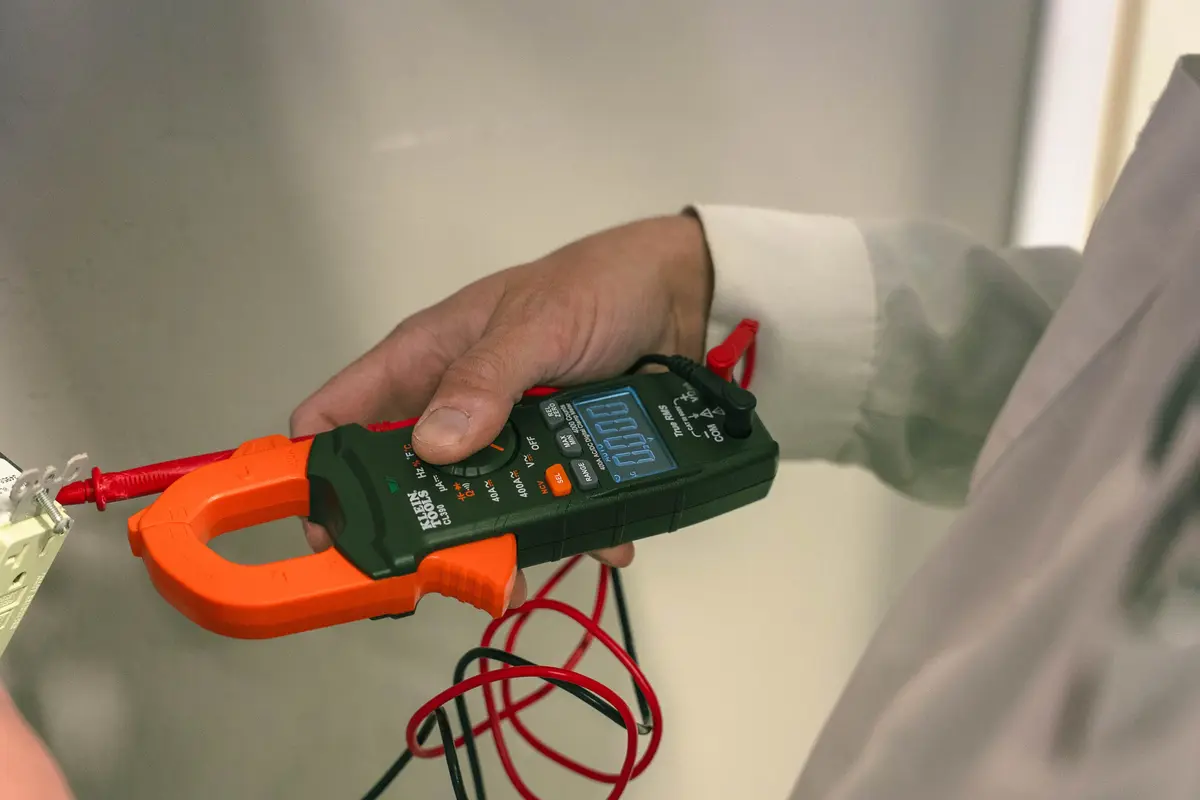
The most important electrical safety tips for Prescott homes are: avoid overloading outlets, replace damaged cords immediately, install GFCI protection in wet areas, keep appliances away from water, and schedule a professional inspection every 3 to 5 years. Electrical malfunctions cause an estimated 23,700 residential building fires and 305 deaths each year in the U.S.
Prescott homes face specific risks. Many properties in the area are older, some with original wiring that was not built to handle today’s electrical load. If your home was built before 1985, the tips in this article are especially relevant to you. If you have already noticed warning signs, see electrical fault finding for what to do next.
Key Takeaways
- Faulty or damaged wiring causes 69% of home electrical fires, per the National Fire Protection Association.
- Overloaded outlets are one of the most common and preventable hazards in any home.
- GFCI outlets are required by code in kitchens, bathrooms, garages, and outdoor areas.
- Homes over 25 years old in Prescott are most at risk for outdated or unsafe wiring.
- A licensed electrician should inspect your home every 3 to 5 years, or after any major renovation.
The Most Common Electrical Hazards in Prescott Homes
Before you can fix a problem, you need to know what to look for. These are the hazards Assurance Electrical Services finds most often during inspections in the Prescott area.
Overloaded Outlets and Circuits
Plugging too many devices into one outlet or circuit is the fastest way to create a fire risk. Outlets that feel warm to the touch, circuit breakers that trip regularly, or lights that dim when an appliance starts are all signs of an overloaded system.
Related Article: What causes circuit breakers to trip.
Damaged or Aging Wiring
Frayed cords, cracked insulation, and loose connections are serious fire hazards. In Prescott’s older neighborhoods, homes may still have aluminum branch wiring or knob-and-tube systems. These are not inherently dangerous if maintained, but they require professional evaluation.
Related article: home wiring safety check
Missing or Faulty GFCI Protection
Ground fault circuit interrupters (GFCIs) cut power in milliseconds when they detect a current fault. Arizona code requires them in bathrooms, kitchens, garages, and outdoor areas. If yours are not working or were never installed, that is a code violation and a safety risk. See how to replace a GFCI outlet if yours is faulty.
No Whole-Home Surge Protection
The summer monsoon season brings lightning and power fluctuations to Prescott. A single surge can destroy appliances, damage wiring, and start fires. A whole-home surge protector is installed at the panel guards for every circuit in the house.
Related article: Pros and cons of whole-house surge protectors
Quick-Reference: Safety Tips at a Glance
| Safety Tip | Why It Matters | Action to Take |
| Do not overload outlets | Leading cause of electrical fires | One heat appliance per outlet; no daisy-chained power strips |
| Replace damaged cords | Frayed cords cause shock and fire | Inspect all cords monthly; replace if cracked or frayed |
| Install GFCI outlets | Required by code in wet areas | Call an electrician if yours are missing or not tripping correctly |
| Keep water away from outlets | Water conducts electricity instantly | Keep appliances 3+ feet from sinks, tubs, and pools |
| Use correct bulb wattage | Overlamping causes fixture fires | Match bulb wattage to the label; use LED to reduce heat |
| Add surge protection | Lightning and grid spikes destroy electronics | Install a whole-home surge protector at the panel |
| Schedule an inspection | Catches hidden hazards before they cause harm | Every 3 to 5 years, or after any major renovation |
Practical Electrical Safety Tips for Prescott Homes
1. Do Not Rely on Extension Cords as a Permanent Fix
Extension cords are temporary solutions. Using them long-term means your home does not have enough outlets for your needs. A 16 AWG cord handles up to 1,375 watts. Run anything heavier than that through a 14- or 12-AWG cord. Better yet, have an electrician add outlets where you need them.
Related article: Outlet installation costs
2. Give Appliances Room to Breathe
Appliances that cannot ventilate properly overheat. Your dryer should sit at least 12 inches from the wall. Avoid running electronics in enclosed cabinets without airflow. Keep flammable materials, including curtains, paper, and cleaning products, well away from any electrical equipment.
3. Check Bulb Wattage in Every Fixture
If a light fixture has no wattage label, use 60-watt bulbs or lower. For unmarked ceiling fixtures, 25 watts is the safe ceiling. LED bulbs draw far less power and run cooler than incandescent bulbs, which makes them a straightforward upgrade for any fixture. Overlamping is one of the most overlooked fire hazards in older Prescott homes.
4. Unplug What You Are Not Using
Appliances left plugged in draw power even when off. Unplugging them eliminates that passive draw and removes the risk of an overnight power surge damaging the device. This is especially relevant during the monsoon season when Prescott’s grid can fluctuate. For added protection, consider installing a whole-house surge protector.
5. Test Your Smoke and Carbon Monoxide Detectors Monthly
The U.S. Fire Administration reports that most home electrical fires occur between midnight and 6 a.m., when families are asleep. Working smoke detectors cut the risk of dying in a home fire by half. Test yours monthly, replace batteries annually, and replace the units every 10 years. Arizona code specifies where they must be placed.
Related article: Smoke alarm installation requirements
6. Know When to Call a Licensed Electrician
Some tasks are not DIY-friendly. Replacing a breaker, adding a new circuit, installing a panel, or wiring a hot tub all require a licensed electrician. If you see flickering lights, scorch marks on outlets, or smell burning near your panel, stop using that circuit and call for service.
Related Article: Common electrical upgrades for homes
Things to Know About Electrical Safety in Prescott
- Prescott’s elevation and climate do not directly affect electrical safety, but the monsoon season (July through September) increases the risk of surges. A whole-home surge protector is a smart investment for any local homeowner.
- If your home was built before 1978, it may have aluminum branch circuit wiring. This is safe when properly maintained, but it requires specific outlets and connections. A standard inspection will flag this.
- Arizona follows the National Electrical Code (NEC). Homeowners cannot pull electrical permits in most AZ jurisdictions. Licensed electricians handle that.
- Power strips do not increase the power available at an outlet. They only add more plug-in points. Plugging multiple high-draw appliances into a single strip is just as dangerous as plugging them directly into a single outlet.
- If multiple outlets stop working at once, check a nearby GFCI outlet for a tripped breaker before calling for service. One GFCI can protect several outlets on the same circuit.
Your Next Step Toward a Safer Home
Following solid electrical safety tips for Prescott homes starts with knowing where your system stands today. Some hazards are visible. Others are hidden inside walls, behind panels, or buried in circuits that have not been checked in decades.
Assurance Electrical Services is your local Prescott electrician. We inspect, repair, and upgrade electrical systems for homeowners across the area, including your neighbors. If something in your home doesn’t feel right, or if it’s been more than 5 years since your last inspection, give us a call. Book your inspection here, and we will take it from there.
Frequently Asked Questions
What are 5 tips for electrical safety?
Avoid overloading outlets, replace damaged cords, keep water away from electricity, use correct bulb wattages, and schedule regular inspections.
These five habits address the most common causes of home electrical fires and shock incidents. For Prescott homeowners specifically, adding whole-home surge protection is a practical sixth step given the area’s monsoon activity. A full residential inspection from a licensed electrician covers all of these and more.
What are 10 electrical safety rules?
The 10 rules cover appliance instructions, outlet loads, cord condition, cord storage, unplugging unused devices, keeping water away, providing airflow, cleaning exhaust fans, matching bulb wattage, and heater placement.
These rules apply across every home. The ones most commonly skipped in Prescott are bulb wattage checks and appliance airflow, both of which become more relevant with the area’s summer heat.
How do you ensure electrical safety at home?
Inspect your cords and outlets regularly, install GFCI protection where required, test smoke detectors monthly, and have a licensed electrician inspect your system every 3 to 5 years.
Consistent habits matter more than any single upgrade. Start with a visual check of your outlets and cords. Then confirm your GFCI outlets work by pressing the test button. From there, schedule an electrical home safety inspection to get a professional assessment of your entire system.
What is basic electrical safety?
Basic electrical safety means not overloading circuits, keeping electricity away from water, using properly rated cords and bulbs, and knowing when to call a professional.
It also means understanding warning signs, such as warm outlets, burning smells, flickering lights, and frequent breaker trips. Any of these should prompt a call to a licensed electrician. See electrical troubleshooting basics for what each symptom typically indicates.
How to improve safety at home?
Start with a home inspection, add GFCI and AFCI protection where missing, install a whole-home surge protector, and replace any outdated wiring or panels.
These are not cosmetic upgrades. They directly reduce the risk of fire and electrocution. If you are not sure what your home currently has, an electrical safety inspection is the fastest way to find out what needs attention and what is already in good shape.