
Efficiency, Electrical Tips
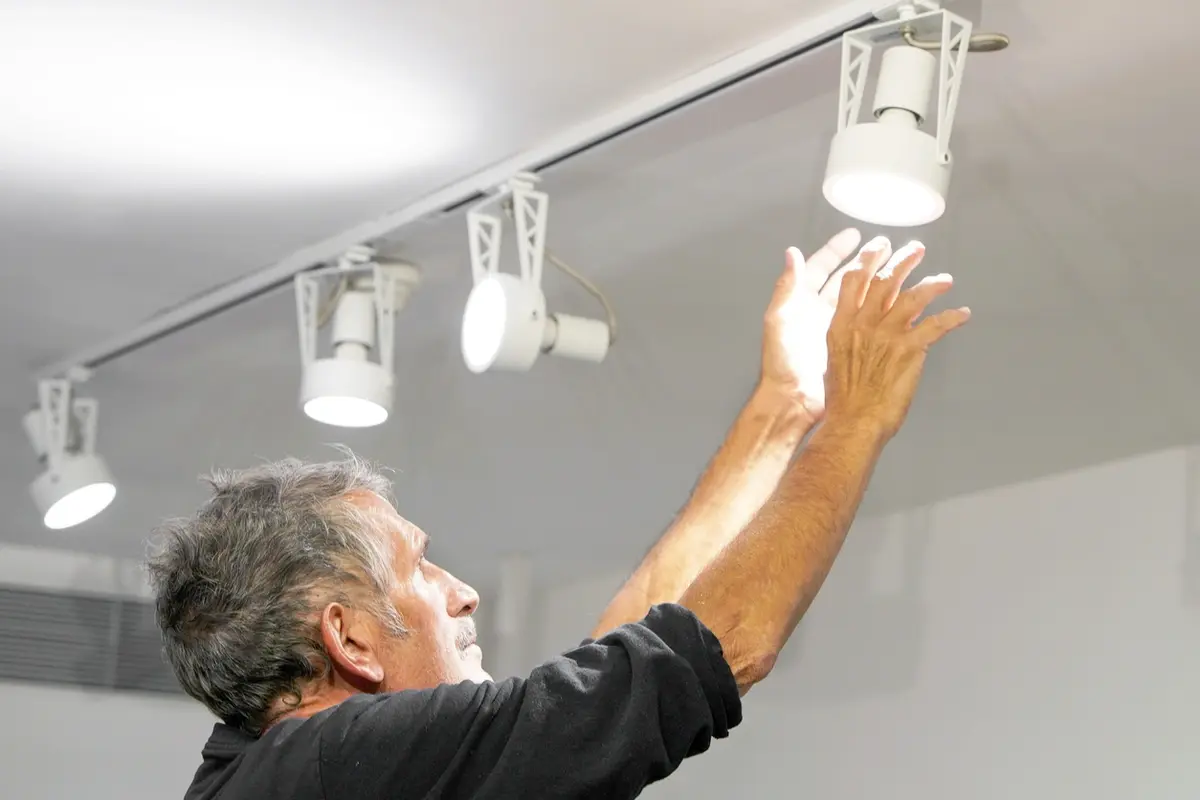
For most homeowners, yes. LED lights use less electricity, last much longer, and provide better light while reducing maintenance and energy costs. LEDs use up to 75-80% less energy than incandescent bulbs, last 25 times longer, and typically pay for themselves within a few years through lower utility bills alone.
Key Takeaways
- LEDs use 75-80% less energy than incandescent bulbs, which translates directly into lower monthly electricity bills.
- A single LED bulb can last 25,000 to 50,000 hours, compared to just 1,000 hours for a standard incandescent.
- Most households can expect their LED upgrade investment to pay for itself within 2-4 years.
- LED bulbs run cool to the touch, contain no mercury, and use shatter-resistant epoxy lenses, making them safer for families.
- Rebate programs and utility incentives can offset 20-40% of your upfront retrofit cost.
- Pairing LED upgrades with recessed lighting or new fixtures can also boost your home’s resale value.
Why LED Bulbs Are Easier to Swap Than You Think
One of the most common reasons homeowners put off upgrading is the assumption that switching to LEDs requires rewiring or buying entirely new fixtures. The reality is far simpler. The vast majority of LED bulbs come in standard base sizes (E26 is the most common in the U.S.) that drop directly into existing lamp sockets, table lamps, and ceiling fixtures without any modification.
For specialty applications like track lighting, candelabra fixtures, or recessed cans, there are LED replacements designed to match. If you do decide to go further and update your fixtures, professional light fixture installation keeps everything up to code and ensures the right trim, housing, and driver are matched correctly. That matters more than most people realize, especially with integrated LED fixtures where the driver and bulb are a single unit.
The one area where compatibility actually requires attention is dimming. Older dimmer switches, especially the rotary-dial style common in homes built before 2000, are designed to work with incandescent loads. Pairing them with LED bulbs can cause flickering, buzzing, or incomplete dimming ranges. The fix is straightforward: swap the dimmer for a modern LED-compatible trailing-edge dimmer, which typically costs $15 to $40 per switch.
LEDs Are Measurably Safer Than Incandescent Bulbs
They Stay Cool Even After Hours of Use
A standard 60-watt incandescent bulb converts only about 10% of its energy into visible light. The remaining 90% radiates as heat. That’s why a lamp left on for a few hours gets hot enough to cause a burn. An equivalent LED bulb, producing the same 800 lumens while drawing just 8-10 watts, stays nearly cool to the touch even after extended use.
This matters practically in several situations. In a child’s bedroom with a table lamp at low heights, a recessed fixture above a kitchen island, or a closet light tucked near fabric and cardboard, the difference in heat output is a genuine safety factor. Houses in Northern Arizona, where dry conditions increase fire risk year-round, benefit especially from lower heat-generating fixtures throughout the home.
Durability Makes a Difference Too
Incandescent and CFL bulbs use glass envelopes that shatter on impact. LED bulbs use epoxy resin lenses, which resist breakage under normal handling. They also contain no mercury, unlike CFLs, which require special disposal procedures under EPA guidelines. If a CFL breaks inside a fixture, the EPA recommends evacuating the room for 15 minutes and following a specific cleanup protocol to avoid mercury vapor exposure. With LEDs, a dropped or broken bulb is simply a bulb in the trash.
The Energy Efficiency Numbers That Actually Matter
Lighting accounts for roughly 15% of the average U.S. household’s electricity use. For a home with a monthly electric bill of $150, that’s about $22.50 per month, or $270 per year, going toward lighting. Cutting that by 75-80% through a full LED upgrade saves approximately $200 per year for that household.
Here’s a side-by-side look at the real numbers:
|
Bulb Type |
Wattage | Lumens | Avg. Lifespan |
Annual Energy Cost (3hrs/day) |
|
Incandescent |
60W | 800 | 1,000 hrs | ~$7.88 |
| CFL | 15W | 800 | 8,000 hrs |
~$1.97 |
|
LED |
9W | 800 | 25,000 hrs | ~$1.18 |
| Halogen | 43W | 750 | 2,000 hrs |
~$5.65 |
Based on national average electricity rate of ~$0.17/kWh (2024 EIA data)
Replace a 75-watt incandescent with a 12-watt LED and you get identical light output at a fraction of the cost. Multiply that across 30 or 40 bulbs in a typical home and the annual savings become significant fast. Understanding the full picture of led lighting pros and cons helps you make smarter choices room by room, particularly where you have lights running for longer hours each day.
LEDs and the Environment: More Than Just Recycling Talking Points
Fewer Bulbs Means Less Waste
An incandescent bulb lasts roughly 1,000 hours. An LED lasts 25,000 to 50,000 hours. If you use a bulb for 3 hours per day, that incandescent lasts about 11 months. The LED lasts anywhere from 22 to 45 years. On a per-bulb basis, you’d go through roughly 25 incandescents for every one LED over the same period, each requiring packaging, shipping, and eventual disposal.
No Toxic Chemicals in the Landfill
CFLs contain mercury vapor, a regulated hazardous material. Many municipalities in the U.S. require separate disposal through designated drop-off sites. LED bulbs contain no mercury, no lead, and no other substances that would classify them as hazardous waste under federal EPA guidelines. That’s a meaningful advantage for both safe home use and straightforward disposal.
No UV Emissions: What That Actually Means for Your Home
Incandescent and halogen bulbs emit a measurable amount of ultraviolet (UV) radiation alongside visible light. UV exposure over time fades fabrics, artwork, wood finishes, and flooring. If you have a painting above a mantle that’s lit by a halogen track light, or upholstered furniture under a reading lamp used daily, the UV output from those bulbs contributes to long-term fading.
LEDs produce negligible UV emissions. Museum conservators have long recognized this, using LED fixtures to light exhibits where UV damage to artifacts would be unacceptable. The same benefit applies at home, particularly for rooms with natural wood furniture, area rugs, or framed artwork you want to preserve.
Design Flexibility: What LEDs Actually Make Possible
Color Temperature and CRI Choices
LEDs come in a range of color temperatures measured in Kelvin. A warm white (2700K-3000K) mimics the tone of traditional incandescent light and works well in bedrooms and living rooms. A cool white or daylight (4000K-5000K) is better suited for task lighting in kitchens, bathrooms, and home offices.
Color Rendering Index (CRI) measures how accurately a light source renders colors compared to natural sunlight. LEDs with a CRI of 90 or higher are excellent for spaces where color accuracy matters, like bathrooms where you’re evaluating makeup or a workshop where you’re matching paint.
Recessed Lighting and Home Value
One design upgrade worth pairing with an LED conversion is recessed lighting, as the combination of recessed lighting home value data is compelling: properly installed recessed LED fixtures consistently appear on real estate staging checklists as features that improve buyer perception and marketability, particularly in kitchens and main living areas.
If you’re planning a more thorough update, professional recessed lighting installation ensures proper housing selection for insulated ceilings, correct spacing for even light distribution, and safe wiring that meets Arizona’s ROC and local code requirements.
LEDs Work in Temperatures That Fail Other Bulbs
Standard fluorescent lights have a notable weakness: cold temperatures. In garages, sheds, or outdoor fixtures in winter climates, fluorescents take time to warm up and may not reach full brightness below 32°F. They can flicker badly or fail to start at all in sustained cold.
LEDs have no warm-up period. They reach full brightness instantly at temperatures from -40°F to over 120°F. For homeowners in Prescott Valley and Northern Arizona, where temperatures swing from summer highs above 90°F to winter nights below freezing, this reliability matters for porch lights, garage lighting, and any outdoor fixture that stays on through the night.
The Real ROI: How Long Before LEDs Pay for Themselves?
The upfront cost of LED bulbs has dropped sharply over the past decade. A quality LED A19 bulb in 2024 retails for $3 to $8, compared to $1 to $2 for an incandescent. However, the math over time strongly favors LED.
If you replace 30 incandescent bulbs (used 3 hours daily) with LEDs:
- Annual energy savings: roughly $180-$210
- Upfront cost of 30 LED bulbs: approximately $90-$150
- Payback period: under 12 months in most cases
Utility rebate programs make the math even better. Programs like those offered through Arizona Public Service (APS) and Unisource Energy Services provide per-product rebates on qualifying LED fixtures, and per-product rebate averages increased by 17% entering 2026. Some homeowners recover 20-40% of their retrofit cost through these incentive programs. Check EnergyStar.gov for current qualifying products and rebate amounts.
Things to Know
- Not all LED dimmers are the same. Check that your dimmer switch is rated for LED loads before assuming it’ll work smoothly.
- “Equivalent wattage” labeling on LED packaging refers to the incandescent it replaces, not the actual wattage drawn. A “60W equivalent” LED uses around 8-10 watts.
- Integrated LED fixtures (where the LED is built into the fixture itself) cannot have just the bulb replaced when it burns out. Plan for that before buying.
- Higher lumens mean brighter light. For general room lighting, 800 lumens per bulb is a standard starting point.
- LEDs with a CRI below 80 can make skin tones and colors look washed out or flat. Look for CRI 90+ for bathrooms and accent lighting.
- Some older smart dimmer systems aren’t compatible with LED loads and may require firmware updates or hardware replacement.
Ready to Make the Switch in Your Home?
If you’re in the Prescott Valley area and want the LED upgrade done right, the best next step is to schedule a walkthrough with a licensed Prescott Valley electrician. Assurance Electrical Services (ROC #322083) can assess your current fixtures, identify dimmer compatibility issues, recommend the right LED types for each room, and handle any fixture upgrades or recessed lighting installations while everything is coordinated in a single visit.
Call us at (928) 713-2177 or request a quote using our form. We’re a family-owned electrical contractor serving Prescott Valley, Prescott, Chino Valley, and surrounding Northern Arizona communities, and we’ve been doing this work for over 20 years.
Is It Worth Upgrading to LED Lighting?
Is it worth upgrading to LED lighting throughout the house? Based on the energy savings data, lifespan statistics, safety advantages, and available rebate programs, the answer is a clear yes for almost every homeowner. The payback period is short, the ongoing savings are real, and the reduction in maintenance hassle alone is worth the switch for most families.
If you’re in Northern Arizona and want a professional inspection of your current lighting setup, give Assurance Electrical Services a call at (928) 713-2177 or request a quote online. Our licensed team can handle everything from a simple bulb installation to a full recessed lighting upgrade.
Frequently Asked Questions
1. Do LED lights increase the electric bill?
No, LED lights significantly reduce your electric bill rather than increase it. LEDs use 75-80% less electricity than incandescent bulbs to produce the same amount of light. A household replacing 30 incandescent bulbs with LEDs can expect to save $150-$200 or more per year on lighting costs alone, depending on usage patterns and local electricity rates.
2. Should you use LED lights in your house?
Yes, LED lights are the best all-around option for residential lighting in terms of efficiency, lifespan, and safety. They outperform incandescent, halogen, and CFL options on nearly every practical measure. The higher upfront cost per bulb is recovered quickly through energy savings, and their 25,000+ hour lifespan means you won’t be replacing them for years.
3. What are the disadvantages of LED lighting?
The main disadvantages of LED lighting are higher upfront cost, dimmer compatibility issues, and limited options for some specialty fixtures. Integrated LED fixtures can’t be re-lamped when they fail. Some low-quality LEDs produce a bluish or harsh light that feels clinical in living spaces. Checking CRI ratings and choosing reputable brands like Cree, Philips, or Sylvania helps avoid those issues.
4. How much electricity do LED lights use a day?
A standard 9-watt LED bulb used for 3 hours per day consumes about 0.027 kWh (kilowatt-hours) per day. At the national average electricity rate of roughly $0.17/kWh, that works out to less than half a cent per bulb per day. Running 30 LED bulbs for 3 hours daily costs approximately $50 per year, compared to around $250 for the equivalent incandescent setup.