
Electrical Safety, Electrical Tips
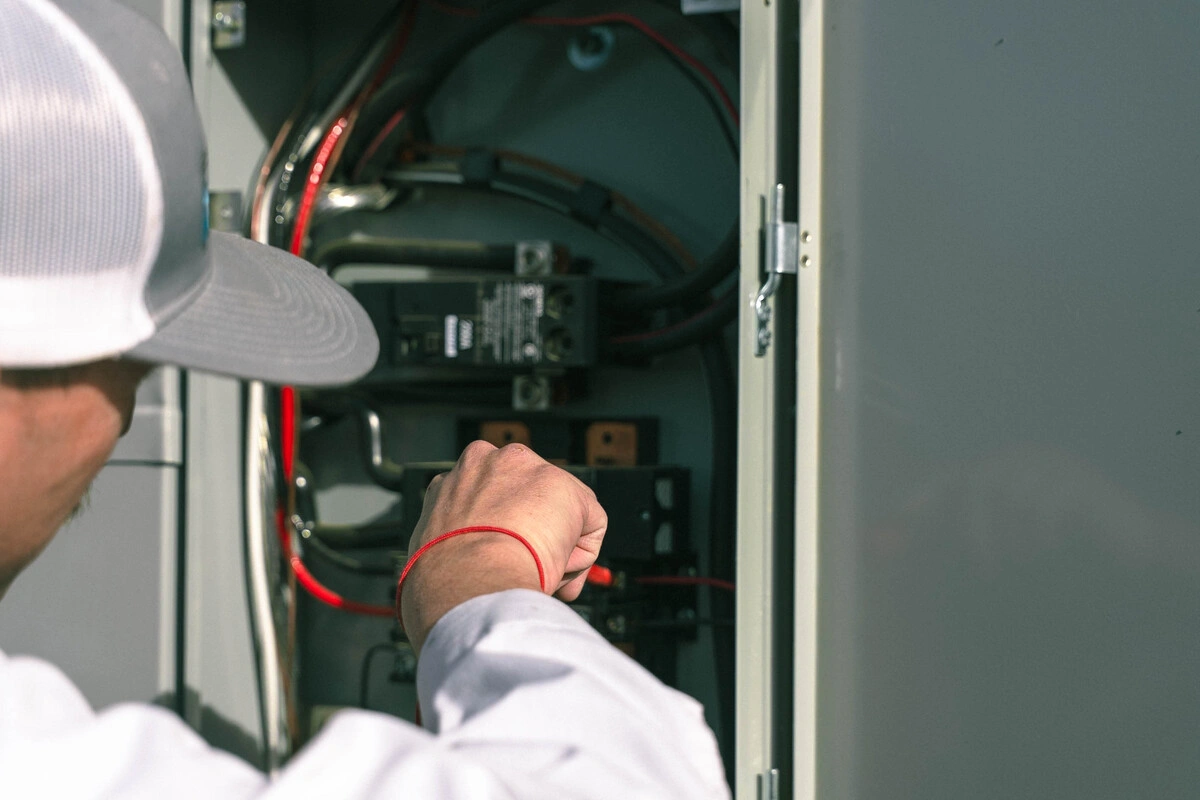
The most important electrical panel safety tips every homeowner should follow are: keep the panel cover closed, never touch the panel with wet hands, label every circuit clearly, maintain 36 inches of clearance in front of the box, and never attempt panel repairs yourself.
Your electrical panel controls every circuit in your home. When it is managed safely, it runs quietly in the background. When it is ignored or handled incorrectly, it becomes one of the most common sources of house fires and electrical injuries. The Electrical Safety Foundation International estimates that electrical failures cause more than $1.3 billion in property damage in the U.S. every year. Most of those incidents are preventable.
Key Takeaways
- Never open the panel cover yourself. Bus bars inside carry live current even with the main breaker off.
- Keep at least 36 inches of clear space in front of your panel at all times.
- Wet hands near a panel can cause electrocution even without touching exposed wiring.
- Unlabeled breakers are a safety hazard. You could reset the wrong circuit in an emergency.
- Panels over 25 years old need a professional inspection, even if there are no visible symptoms.
1. Keep the Panel Cover Closed at All Times
The panel cover is not just cosmetic. It protects you from the bus bars, which carry live electricity at 120 or 240 volts even when individual breakers are off. An exposed panel is a shock hazard for everyone nearby, including children.
The only time your panel cover should be open is when a licensed electrician is actively working on it. After any service call, confirm the cover is fully secured before the electrician leaves. If your cover is missing, cracked, or has open knockouts, treat it as a priority repair.
Schedule a repair through our electrical maintenance service if your panel cover is damaged or incomplete.
2. Never Touch the Panel with Wet Hands or from a Wet Surface
Water drastically reduces your body’s resistance to electrical current. Even light moisture on your hands or a damp floor beneath your feet increases the severity of any accidental shock. This applies even for something as simple as resetting a tripped breaker.
Before approaching your panel for any reason, confirm that your hands are dry and that the floor around it is dry. If there is water near your panel from a leak, flooding, or condensation, do not approach it. Call a licensed electrician right away.
Water near your panel can also signal a larger plumbing or structural issue. Our home wiring safety checks article explains what to watch for and when to act.
3. Label Every Circuit in Your Panel
A clearly labeled panel is a safety tool. In an emergency, you need to know exactly which breaker controls which area of your home. Unlabeled or mislabeled circuits cost you time when every second matters, and they increase the risk of resetting the wrong breaker.
Go through your home and verify every breaker label. Turn each one off individually and confirm which outlets, lights, or appliances lose power. Use clear, permanent labels. If your panel has a paper legend on the door, replace it with labels placed directly next to each breaker.
A standard 200-amp panel has between 20 and 40 breaker slots. Every one of them should be labeled before you ever need that information under pressure.
4. Maintain 36 Inches of Clearance in Front of Your Panel
For typical residential electrical panels, NEC 110.26(A)(1) working-space requirements call for a minimum working-space depth of 3 feet, or 36 inches, in front of the equipment. This clearance provides electricians with safe access for inspection, servicing, and maintenance, and helps keep the panel accessible when quick access is needed.
Boxes, shelves, furniture, or stored items placed in front of your panel can obstruct the required working space. Keep the area in front of the panel permanently clear, including panels located in garages, utility rooms, basements, hallways, and other accessible areas.
5. Never Attempt Panel Repairs or Modifications Yourself
This is the most critical of all electrical panel safety tips: never do panel work yourself. Resetting a tripped breaker is acceptable. Everything else inside the panel, replacing a breaker, adding a circuit, rewiring connections, or upgrading amperage, requires a licensed electrician.
The risks of DIY panel work include electrocution, arc flash burns, fire from improper connections, and code violations that affect your homeowners’ insurance and your ability to sell your home. In Arizona, panel work generally requires a licensed contractor and a permit.
If you are considering a panel upgrade, our How to Upgrade an Electrical Panel article walks through the full process and what to expect.
6. Schedule a Professional Inspection Every 3 to 5 Years
Most homeowners only think about their panel when something stops working. A proactive inspection catches problems before they become emergencies. A licensed electrician checks for loose connections, worn breakers, corrosion, improper wiring, and overloaded circuits.
If your home is over 25 years old and has never had a panel inspection, book one soon. Panels from Federal Pacific Electric or Zinsco, common from the 1950s through the 1980s, have known safety defects and should be evaluated right away.
See what a professional inspection covers on our main service panel inspections page.
Electrical Panel Safety Tips: Quick Reference
|
Safety Tip |
What It Means | Who It Applies To |
Risk If Ignored |
|
Keep cover closed |
Never leave box open | All homeowners |
Shock, arc flash |
|
No wet hands |
Dry conditions only | All homeowners |
Electrocution |
|
Label all circuits |
Every breaker clearly marked | Homeowners and electricians |
Wrong breaker tripped |
|
36-inch clearance |
Keep area in front clear | All homeowners | Blocked emergency access |
|
No DIY panel work |
Licensed electrician only | All homeowners | Fire, injury, code violations |
Things to Know About Electrical Panel Safety
- Arc flash is one of the most serious hazards near a panel. It releases a sudden burst of energy that can cause severe burns in under a second. Only electricians with arc-rated protective gear should work near a live open panel.
- If someone receives a shock from the panel, do not touch them directly. Use a dry wooden object to push them away, shut off the main breaker if it is safe to do so, and call 911 immediately.
- A whole-house surge protector installed at your panel shields all appliances and electronics from voltage spikes. It typically costs between $300 and $700 installed and is one of the most practical panel additions available.
- Double-tapped breakers, where two wires share a single breaker not rated for both, are a common code violation. They create an overheating risk and should be corrected during your next inspection.
- Aluminum branch wiring, found in many homes built between 1965 and 1973, expands and contracts more than copper and can loosen connections over time, creating overheating and fire hazards.
Your Panel Is Safe When You Stay Consistent
Applying these electrical panel safety tips does not require technical knowledge. It requires consistent habits: keep the cover on, keep the area dry and clear, label every circuit, and call a professional when anything changes or looks off.
The most dangerous panel problems are the ones you do not see coming. A professional inspection every few years gives you a clear picture of your system’s condition and what it needs before a small fault becomes a serious hazard.
If you have not had your panel inspected recently, or if anything in this article sounds familiar, contact Assurance Electrical Services. Our licensed electricians serve homeowners throughout the Prescott area and handle everything from routine inspections to full electrical panel upgrades. Do not wait for a problem to find you first.
Frequently Asked Questions
What are 5 electrical safety tips for homeowners?
Keep the panel cover closed, never use the panel with wet hands, label all circuits, maintain 36 inches of clearance in front of the panel, and schedule a professional inspection every 3 to 5 years. These five habits address the most common causes of panel-related accidents.
What are the 10 safety rules in electrical work?
The core rules include: treat all wires as live, use insulated tools, wear appropriate PPE, never work alone, lock out circuits before starting work, test before touching, keep water away, avoid overloading circuits, use correct wire gauges, and hire a licensed electrician for all panel work.
What are the safety points specific to electrical panels?
Panel-specific safety means keeping the cover secured, confirming the grounding system is intact, watching for rust or corrosion, checking that breakers are correctly sized, and making sure there are no unlabeled or double-tapped circuits inside the box.
What does TBT stand for in safety?
TBT stands for Toolbox Talk. It is a short safety briefing held before a work task begins. In electrical work, a TBT before panel maintenance covers hazards such as arc flash, lockout/tagout procedures, proper PPE use, and emergency response procedures.
What does PPT stand for in safety?
In safety contexts, PPT stands for Personal Protective Technology. It is often used alongside PPE, which stands for Personal Protective Equipment. For electrical panel work, the required items include arc-rated gloves, insulated face shields, fire-resistant clothing, and shock-resistant footwear.