
Electrical Tips, Installation, Remodeling/Upgrades
Key Takeaways
- In most homes, recessed lighting can be installed with zero drywall damage using retrofit fixtures designed for existing ceilings.
- Retrofit remodel housings mount through small ceiling holes and require no drywall removal or extensive patching.
- Strategic joist planning lets electricians position lights between framing members, avoiding major cuts entirely.
- If any cuts are needed, a licensed electrician will tell you upfront before a single tool touches your ceiling.
- LED retrofit cans are energy-efficient, long-lasting, and significantly more affordable to install than traditional new-construction fixtures.
- Professional installation ensures code compliance, proper wiring, and a clean finished result every time.
Yes, in most homes, you can add recessed lighting without any major drywall repairs. The right fixtures, some careful planning, and a skilled electrician mean your ceiling stays virtually untouched from start to finish.
If you’ve been putting off recessed lighting because you assumed it meant a dusty, expensive drywall overhaul, I completely understand the hesitation. It’s one of the most common concerns I hear from homeowners who want updated lighting but don’t want their living room looking like a construction zone for two weeks. The good news is that modern retrofit technology and smart installation techniques have changed the game entirely. Let me walk you through exactly how it works, what to expect, and when drywall repair might actually come into play.
Why Retrofit Fixtures Changed Everything for Existing Ceilings
Before retrofit recessed lights existed, adding can lights to a finished ceiling meant cutting large sections of drywall to run wiring between joists, then patching and repainting everything afterward. That process was messy, time-consuming, and costly, which led many homeowners to skip the upgrade entirely.
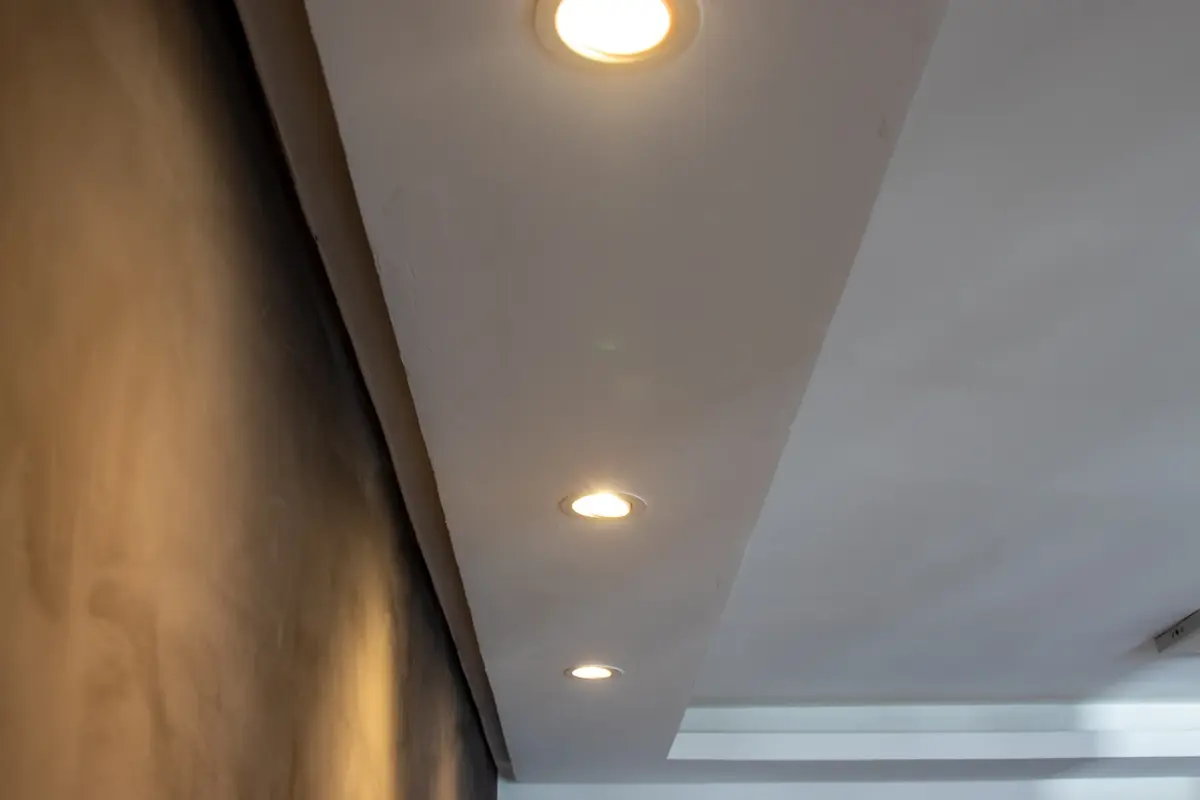
Retrofit fixtures solved that problem. These housings are specifically engineered to install through small, clean holes cut directly into your existing ceiling. The fixture clips into place from below, so no attic access is required, and no large drywall sections need to come down. The hole size matches the fixture diameter, typically 4 or 6 inches, so the trim ring sits flush against the ceiling and covers the cut completely. There’s no patch. There’s no compound work. There’s no sanding dust settling on your furniture for a week.
This is the primary method used when homeowners ask, “Can I add recessed lighting without major drywall repairs?” and the answer is almost always yes. At Assurance Electrical Services, our technicians can complete recessed lighting installation in existing rooms cleanly and efficiently, and we’ll always advise you upfront if any drywall work becomes necessary before we start.
Things to Know
- Retrofit fixtures are not the same as new-construction housings. Retrofit cans clip into the ceiling from below; new-construction housings attach to joists from above and require open ceiling access.
- Ceiling joists in most U.S. homes are spaced 16 or 24 inches on center. Mapping joist locations before cutting ensures fixtures land cleanly between framing members every time.
- Not every ceiling is a candidate for zero-drywall installation. Homes with specific framing conditions, dense insulation, or certain wiring constraints may require a small access hole to route wire safely.
- Attic access, when available, makes the job even cleaner. An electrician can fish wire from above without touching the finished ceiling surface at all.
- LED retrofit trim kits consume roughly 75% less energy than incandescent can lights and last tens of thousands of hours longer, making them the standard choice for modern installs.
- Older homes in Northern Arizona, especially those built before the 1990s, may have knob-and-tube wiring or other conditions that affect how recessed lighting gets wired safely.
How Electricians Plan a No-Damage Recessed Lighting Install
The secret to avoiding drywall damage is almost entirely in the planning phase. Before a single hole gets cut, a professional electrician maps the ceiling to understand what’s inside it.
The first step is to locate the ceiling joists using a stud finder. Joists run in one direction across the room, and lights need to sit between them, not on top of them. Once joist locations are marked, the electrician sketches a lighting layout that evenly spaces fixtures while staying clear of all framing. This step alone eliminates the most common reason drywall gets damaged: cutting a hole only to hit a joist and needing to relocate.
The second step is identifying the wiring path. In homes with attic access above the ceiling, an electrician can run new wire through the attic and drop it down to each fixture location without touching the finished drywall at all. In homes without attic access, the wire is fished through the ceiling cavity using flexible drill bits and fish tapes, entering through the small fixture holes. It takes more skill, but when done correctly, the result is identical: a clean ceiling with no visible evidence of the work that happened behind it.
You can read more about thoughtful house lighting system designs to understand how layout planning affects both the aesthetics and the installation complexity of any lighting upgrade.
When Some Drywall Work Might Be Unavoidable
I want to be straightforward here because not every install is perfectly clean. There are specific situations where a small amount of drywall cutting becomes necessary to do the job safely and correctly.
The most common scenario is when there’s no attic access and the wiring path between fixtures is blocked by a fire block, a horizontal piece of framing installed between joists in some homes. In that case, an electrician may need to cut a small access panel, typically 12 to 16 inches wide, to get around the obstruction and continue the wire run. That’s a far cry from ripping out half a ceiling, and it’s a repair any competent drywaller can complete quickly.
Another situation involves existing wiring that needs to connect from a wall switch to the new fixtures. Depending on the switch location and the ceiling layout, that wire path might require a small notch or access point near the wall. Again, this is a minor, contained repair, not a major demolition project.
Here’s the important thing: at Assurance Electrical Services, our technicians assess the condition of the ceiling and wiring before any work begins. If drywall damage is necessary, we tell you exactly what will be affected, what the repair involves, and what it will look like when finished. There are no surprises after we’ve already cut into your ceiling.
If you’re planning a broader update, exploring lighting upgrades for the home can help you prioritize which rooms make the most sense to start with and how to budget for the full project.
What the Installation Process Actually Looks Like
If you’ve never had recessed lighting installed before, knowing what to expect on the day of the job makes the whole thing less stressful. Here’s a general picture of how a professional retrofit installation unfolds:
- Layout and marking: The electrician marks each fixture location on the ceiling, confirming clearance from joists and mapping the wire path.
- Power shutoff: The circuit supplying the work area is shut off at the breaker panel.
- Hole cutting: A hole saw cleanly cuts the fixture openings, producing a small circle of drywall that comes out in one piece.
- Wire fishing: Cable gets routed from the power source through the ceiling cavity to each fixture location.
- Fixture installation: The retrofit housing snaps into place inside each hole and locks against the drywall with spring clips or twist-lock tabs.
- Wiring connections: Each fixture gets wired at the junction box built into the housing.
- Trim installation: The LED trim module inserts into the housing and clicks into place, completely covering the hole.
- Switch and power restore: The dimmer switch or standard switch gets wired, power is restored, and each fixture is tested.
The whole process for a typical room with six fixtures can often be completed in a single day, sometimes less. For a detailed look at what professional installation entails, including fixture options and placement strategies, reviewing how recessed lighting affects home value is a worthwhile perspective to consider before committing to a specific plan.
The Value Argument for Getting This Done Right
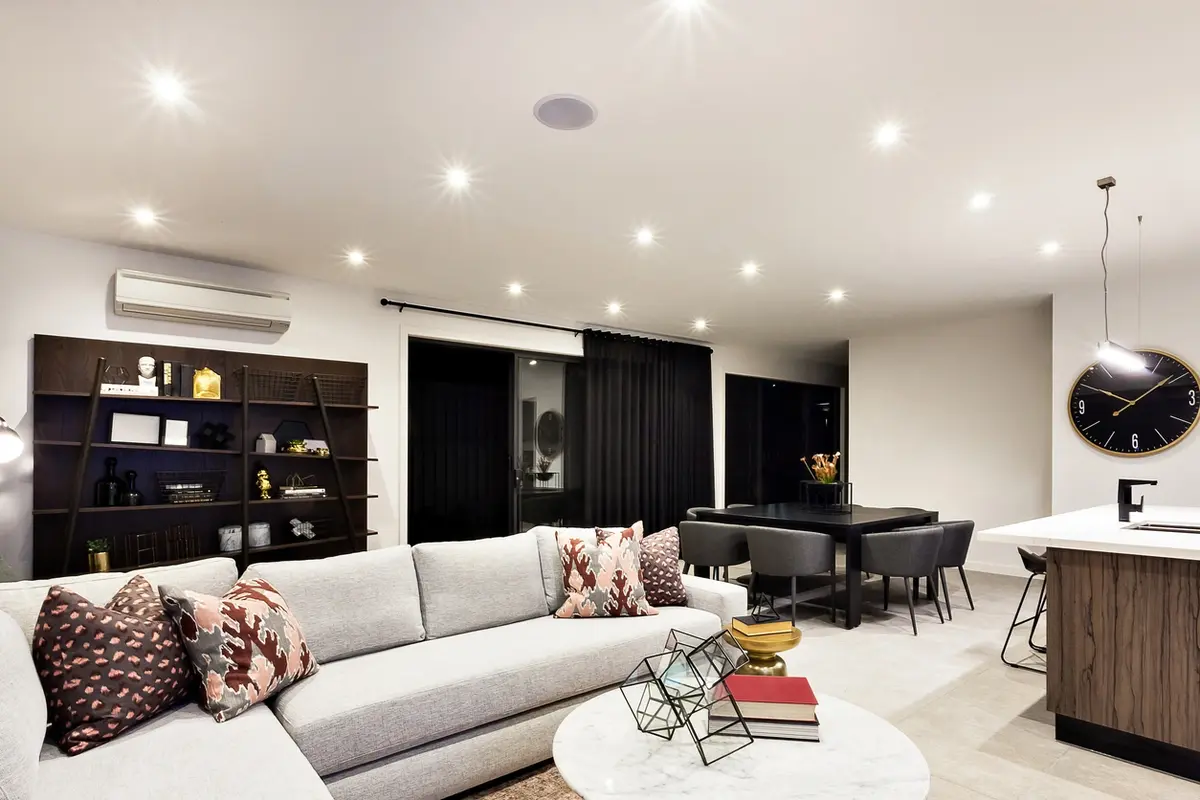
Beyond the aesthetic improvement, recessed lighting consistently delivers measurable returns for homeowners. Updated lighting makes rooms feel larger, cleaner, and more modern, which matters significantly during a real estate showing or appraisal.
According to lighting industry data and real estate professional surveys, updated interior lighting is among the more cost-effective upgrades a homeowner can make before listing a property. The investment is relatively modest compared to kitchen or bathroom renovations, and the visual impact on buyers is immediate. If you want a closer look at the numbers and real estate perspective, this article on recessed lighting home value breaks down exactly what the upgrade can mean for your property.
For homeowners in Prescott Valley and across Northern Arizona, where remodeling activity has been steady, and buyer expectations continue to rise, investing in clean, modern lighting is one of the smarter updates you can make before going to market or simply to improve your own enjoyment of the home.
The Bottom Line on Can I Add Recessed Lighting Without Major Drywall Repairs
Can I add recessed lighting without major drywall repairs? In the vast majority of homes, the answer is a clear yes. Modern retrofit fixtures, careful joist mapping, and professional wire-fishing techniques mean your ceiling stays clean, and your walls stay intact. At Assurance Electrical Services, our goal on every project is to minimize drywall impact while giving you a finished result that looks like it was always part of the home.
If you’re ready to move forward or just want to know what’s actually involved in your specific ceiling, reach out to our team in Prescott Valley. Call us at (928) 713-2177 or request a quote online, and we’ll give you a straight answer about what it takes to get the lighting your home deserves.
Frequently Asked Questions
Can I add can lights without drywall work?
In most cases, yes, retrofit can lights can be installed through small ceiling holes without requiring drywall removal. Retrofit fixtures use spring clips or twist tabs that grip the ceiling from below, eliminating the need for open attic access or exposed framing. The trim ring covers the cut hole entirely, leaving a clean, finished appearance.
Do I need an electrician to install recessed lighting?
Yes, recessed lighting installation involves live wiring and must meet NEC code requirements, so a licensed electrician is strongly recommended. In Arizona, electrical work in a finished home requires proper licensing, and permits may be required depending on the project’s scope. Hiring a licensed contractor like Assurance Electrical Services (ROC #322083) ensures the work is safe, correct, and inspectable.
Can I add recessed lighting to the existing ceiling?
Absolutely, existing ceilings are actually the ideal application for retrofit recessed lighting fixtures. Retrofit housings are designed specifically for this scenario. They require only a small circular cut per fixture and install entirely from below, making them the go-to solution for finished rooms in homes across the country.
How to install LED recessed lighting in an existing ceiling?
The process involves mapping joist locations, cutting small holes, fishing wire through the ceiling cavity, snapping retrofit housings into place, and connecting each fixture to a switched circuit. While the steps sound manageable, the wiring portion requires knowledge of electrical codes and safe practices. A licensed electrician handles this work accurately and ensures each circuit is properly protected and grounded.
Does recessed lighting add value to a house?
Yes, recessed lighting consistently improves a home’s perceived value and strongly appeals to buyers during showings. Updated lighting makes rooms appear larger and more modern, which can influence buyers’ perceptions and support a higher asking price. The upgrade cost is typically modest relative to other renovations, making it a high-visibility, practical investment.