
Electrical Panel
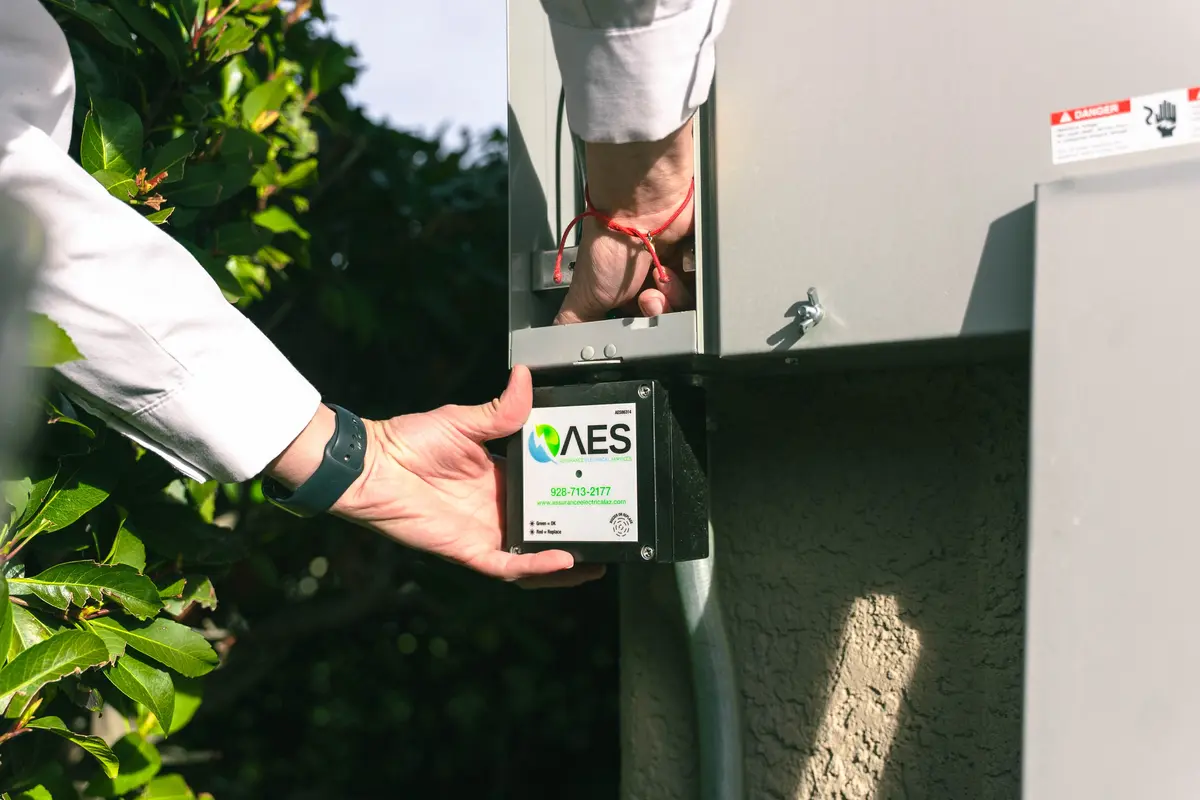
The most common signs of electrical panel problems include frequent breaker trips, flickering lights, burning smells, a warm panel door, and buzzing sounds. If you notice any of these, your panel needs attention from a licensed electrician right away.
Electrical panels are the heart of your home’s power system. Most panels last 25 to 40 years, but problems can develop well before that. The Electrical Safety Foundation International reports that electrical failures cause over 51,000 house fires in the U.S. every year. Many start at a faulty or overloaded panel. Knowing what to look for helps you act before things become dangerous.
Key Takeaways
- A panel tripping 2 or more times per week is a red flag.
- Burning smells or a warm panel door need immediate professional attention.
- Panels over 25 years old should be inspected even without visible symptoms.
- Federal Pacific and Zinsco panels have known safety defects and should be replaced.
- Only a licensed electrician should open or service your panel.
1. Breakers That Trip Too Often
A circuit breaker that trips occasionally is doing its job. But if you are resetting the same breaker two or more times a week, something is wrong. The breaker may be undersized for the load, or the panel itself may be failing.
If your breaker trips every time you run a high-draw appliance, read our post on what causes circuit breakers to trip to understand what is happening and when to call a professional.
A breaker that will not reset or feels hot to the touch is more urgent. Turn off the circuit and call an electrician the same day.
2. Flickering or Dimming Lights
If your lights dim every time your HVAC kicks on or a large appliance starts, your panel may not be delivering stable power. This happens when a panel is overloaded or when breakers begin to wear out.
Flickering from one fixture is usually a bulb issue. But if multiple lights in different rooms flicker at the same time, the panel is likely the cause. Our flickering lights article covers what to check first.
3. Burning Smell or Scorch Marks
A burning smell from your panel or nearby outlets indicates that the insulation in the wiring is overheating. Scorch marks or discoloration around the panel door are physical proof of heat damage.
Do not wait to see if it gets worse. Turn off the main breaker if you can do so safely, then call a licensed electrician immediately. This is one of the most direct signs of electrical panel problems that lead to fire.
4. A Warm Panel or Buzzing Sound
Your panel should not produce noticeable heat. If the door feels warm, or you feel heat from behind the panel, something inside is overloading or arcing. A buzzing or humming from the breaker box indicates a loose connection, a failing breaker, or current jumping where it shouldn’t.
Our post on electrical panel overheating explains the causes and the next steps.
5. Rust, Corrosion, or Physical Damage
Rust inside a panel usually means moisture has gotten in. Even small amounts of rust can cause breakers to stick or arc faults to develop over time. If you open your panel and see rust, water stains, or corroded terminals, schedule an inspection. A licensed electrician needs to assess whether the panel can be repaired or must be replaced.
6. An Old or Outdated Panel
If your home was built before 1990, your panel may be past its useful life. Federal Pacific Electric and Zinsco panels, common from the 1950s through the 1980s, are known to have safety defects. Their breakers often fail to trip during an overload, leaving your main line of protection out of service.
If you are unsure whether your panel needs an upgrade, our electrical panel upgrade service explains what the process involves and what homeowners can expect.
Signs of Electrical Panel Problems at a Glance
| Warning Sign | What You Notice | Risk Level |
| Tripping breakers | Breaker resets 2+ times/week | High |
| Flickering lights | Lights dim when appliances start | Medium |
| Burning smell | Odor from panel or outlets | Critical |
| Warm panel door | Panel feels hot to touch | High |
| Buzzing sounds | Audible hum from breaker box | High |
| Rust or corrosion | Discoloration inside panel | Critical |
Things to Know Before You Call an Electrician
- Do not open the panel yourself. Bus bars inside carry live current even when the main breaker is off.
- Take a photo of your panel label before calling. The brand name, amperage rating, and age help the electrician prepare.
- A 100-amp panel is often too small for modern homes. Most homes today need 200 amps, especially with EV chargers or added HVAC systems.
- A panel inspection typically costs $100 to $250 in Arizona. A full panel replacement ranges from $1,500 to $4,000, depending on size and complexity.
- Homeowners’ insurance may not cover fire damage caused by a known defective panel that was not replaced.
Act on the Signs Before They Become a Hazard
Catching the signs of electrical panel problems early is the difference between a service call and a fire. Most panel issues get worse over time, especially in older homes with growing power demands from new appliances, home offices, and EV chargers.
If you notice any of the signs, reach out to Assurance Electrical Services. Our licensed electricians serve homeowners across the Prescott area and can safely inspect, repair, or upgrade your panel. You can also explore our main service panel inspections post to see what a professional inspection covers from start to finish.
Frequently Asked Questions
How do I know if my electrical panel is bad?
Your panel is likely failing if you notice frequent breaker trips, flickering lights, burning smells, a warm panel door, or buzzing sounds. Panels over 25 years old or made by Federal Pacific or Zinsco should be inspected regardless of visible symptoms.
You can do a basic visual check by looking at the panel label for the brand and age. If anything looks burned, corroded, or physically damaged, do not touch it. Call a licensed electrician for a proper assessment.
What are the 7 electrical tests an electrician runs on a panel?
A panel inspection typically includes a visual check, voltage testing at the main lugs, individual breaker load testing, ground and neutral verification, arc-fault and ground-fault testing, thermal imaging for hot spots, and a torque check on all connections.
Thermal imaging is especially useful. It identifies hot spots invisible to the naked eye, which often indicate loose connections or a breaker that is failing internally before it shows any other symptoms.
What are the 10 most common electrical problems in a home?
The most common include tripped breakers, dead outlets, flickering lights, overloaded circuits, outdated wiring, missing GFCI outlets, faulty switches, aluminum wiring, panel corrosion, and undersized service amperage.
How do you test if a panel has power?
Use a non-contact voltage tester at the outlets in your home. If outlets throughout the house have no power, the panel may have lost its feed from the utility. If only some circuits are dead, the issue is likely specific breakers.
Check the main breaker first. If it has tripped, the handle sits between on and off. Reset it by flipping it fully off and then back on. If it trips again immediately, stop and call an electrician. Do not keep resetting a breaker that trips repeatedly.
How do you troubleshoot an electrical panel?
Identify which circuit is affected, then check the breaker. Reset it if tripped. If it trips again, reduce the load on that circuit. If the issue continues or involves burning smells, the main breaker, or multiple circuits, call a professional.
For a step-by-step process, see our article on how to fix a circuit breaker that keeps tripping. It covers the safe steps you can take before calling for help.