
Electrical Safety, Electrical Tips
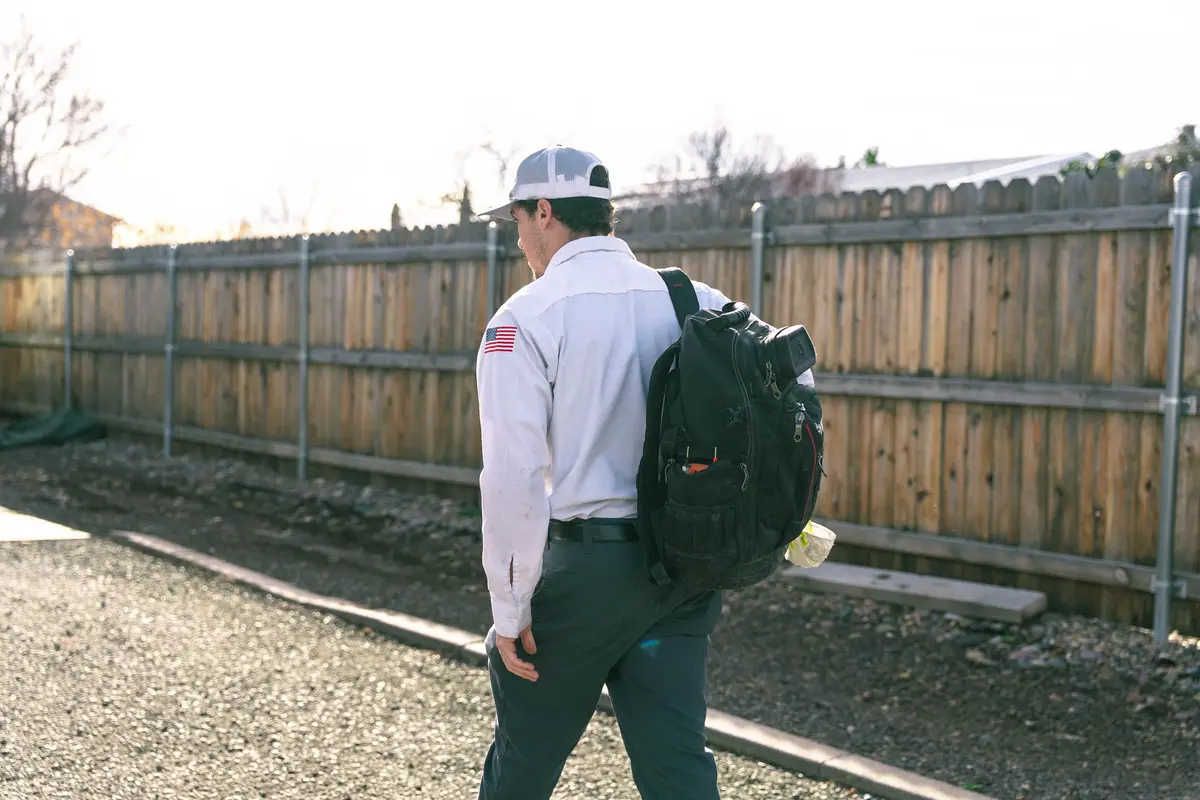
A master electrician holds the highest electrical license, can design systems, obtain permits, operate a contracting business, and oversee other electricians. A journeyman electrician is fully qualified for most residential projects but works under a master electrician’s license for permitted jobs and is generally not allowed to own an independent contracting company in most states.
For most homeowners, the distinction is important when permits are required, when the project is technically demanding, or when you want to know who is legally accountable for the work. This post clarifies both license levels so you can make an informed decision.
Key Takeaways
- A journeyman electrician is qualified to perform most routine residential work, including repairs, installations, panel replacements, and upgrades.
- A master electrician can pull permits, design electrical systems, supervise a crew, and own a licensed contracting business.
- In most states, only a master electrician can legally own and operate an independent electrical contracting company. Journeymen cannot do so independently.
- Both levels require state licensing; the master’s exam is significantly more rigorous.
- For permitted residential projects, the contracting company must have a master-level license, even if a journeyman performs the actual work.
What Is a Journeyman Electrician?
A journeyman electrician completes a 4-year apprenticeship with 8,000 hours of field work and classroom training, then passes a state exam.
A licensed journeyman can work alone, installing wiring, replacing panels, adding circuits, and handling most jobs. However, they cannot pull permits or own a contracting business in most states.
A journeyman does wiring installs, repairs, upgrades, panel replacements, ceiling fans, lighting, new circuits, troubleshooting, and GFCI outlet installations.
Most electricians who arrive at your home are journeymen working under a master electrician’s contracting license. This is standard and proper practice.
What Is a Master Electrician?
A master electrician first becomes a journeyman, gains 2 more years of experience (around 4,000 hours), finishes advanced coursework, and passes a master exam in electrical design, code, and project management.
The master license authorizes someone to operate an electrical contracting business, secure permits, and assume legal responsibility for work completed by their employees. When you hire a licensed electrical contractor, the company’s license is a master electrician license, regardless of which journeyman performs the work.
A master can design systems, pull permits, supervise, run a business, and coordinate with other professionals. Journeymen can execute plans.
In Arizona, the master contracting license is issued through the Arizona Registrar of Contractors. You can verify it at roc.az.gov.
The Path From Apprentice to Master
Electrical work follows a structured three-step path. Each level requires a state licensing exam to advance.
Step 1: Apprentice.
An apprenticeship lasts 4–5 years with job training and classes. Apprentices earn about 40–50% of a journeyman’s wage.
Step 2: Journeyman.
After the apprenticeship and passing the exam, the electrician is licensed to work independently. Most electricians spend their careers at this level.
Step 3: Master Electrician.
After 2 years as a journeyman (in some states, more is required), the electrician may take the master exam. It covers advanced theory, design, code, and management. Passing allows them to open a business and take full legal responsibility.
Side-by-Side Comparison
| Category | Journeyman Electrician | Master Electrician |
| License level | Mid-level; works independently on most jobs | Highest license available |
| Experience required | 4-year apprenticeship (8,000+ hours) | Journeyman + 2 more years (4,000 additional hours) |
| Can pull permits | Varies by state; often limited | Yes, in all cases |
| Can supervise others | No | Yes |
| Can own a business | No (in most states) | Yes |
| Can design systems | No | Yes |
| Average hourly pay (U.S.) | $28 to $35/hour | $35 to $50/hour |
What This Means When You Hire an Electrician
Most homeowners don’t need to know the electrician’s level. The key is that the company has a master license and good state standing.
Permitted jobs need a master license at the company level. In Arizona, permits require an active ROC license backed by a master. Journeymen generally cannot pull permits. This includes panel upgrades, new circuits, remodeling, EV chargers, and rewires. If someone offers major work without a permit or master license, walk away.
Complex designs need a master. For new layouts, load calculations, or construction, a master must handle the design. A journeyman can do the physical work.
Most standard jobs are fine with a journeyman, as long as a master-licensed company supervises. See our post on electrical contractors for full service details.
Things to Know About Electrician Licensing
- License rules vary by state. Arizona requires both journeyman and master exams from the Registrar of Contractors.
- “Certified” and “licensed” are different. NECA and IBEW certifications mean training; a state license is legal. Always verify licensing.
- A company’s license depends on a master electrician. If that master leaves, the company needs another or the license is invalid. Ask about this when hiring small firms.
- Apprentices must always be directly supervised. If one works alone at home, it’s a code violation and requires a license.
- To confirm a contractor’s license level, the Arizona ROC database at roc.az.gov lists the trade category and license class. Our post on how to verify an electrician’s credentials walks through the full verification process.
Ready to Hire a Master-Licensed Electrician?
Assurance Electrical is a master-licensed electrical contractor serving Prescott, Prescott Valley, and the Quad City area. Our license is verifiable through the Arizona ROC, we carry full insurance, and we pull permits for every job that requires one. Contact us today for a free quote on a panel upgrade, residential electrical inspection, or electrical troubleshooting.
Frequently Asked Questions
Is journeyman better than master?
No. A master electrician holds a higher license with greater authority, responsibilities, and earning potential. A journeyman is fully qualified for most residential work, but the master license adds the ability to design systems, pull permits, supervise crews, and run a contracting business.
What is the highest level of electrician?
A master electrician is the highest level of licensure for residential and commercial contracting in the United States. The three levels are apprentice, journeyman, and master. Electrical engineers work above this level for system planning, but they are not electricians in the trade sense.
What type of electrician is most in demand?
Residential electricians are in high demand, especially those with experience in EV chargers, solar, and smart home technology. The U.S. Bureau of Labor Statistics projects electrician employment to grow 11 percent through 2033, faster than the average for all occupations. Electricians with experience in EV charger installation are particularly sought after as adoption increases.
Which country pays electricians the most?
Australia, Switzerland, and the United States consistently rank among the highest-paying countries for licensed electricians. In the U.S., master electricians in high-cost states like Alaska, New York, and Illinois earn $90,000 or more annually. In Arizona, journeyman electricians earn $28 to $38 per hour, depending on experience and job type.