
Efficiency, Electrical Safety, Electrical Tips, GFCI
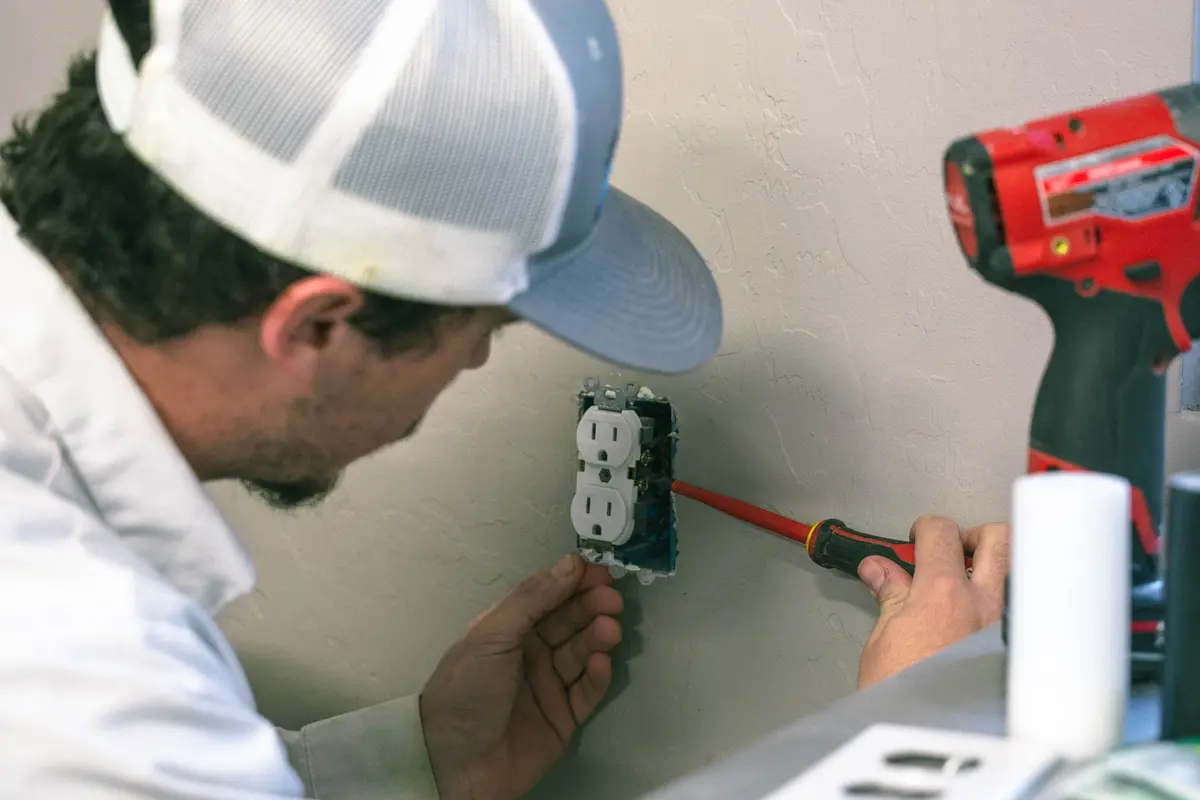
A GFCI, or Ground Fault Circuit Interrupter, is a fast-acting safety device built into an outlet or circuit breaker that shuts off power in as little as 1/40th of a second when it detects an electrical imbalance. It is important because it protects you from electric shock in areas where water and electricity are close together, like bathrooms, kitchens, and garages.
Key Takeaways
- Ground Fault Circuit Interrupter outlets cut power within 1/40th of a second to prevent electric shock
- The National Electrical Code (NEC) requires Ground Fault Circuit Interrupter protection in bathrooms, kitchens, garages, and outdoor areas.
- There are three main GFCI types: outlet, circuit breaker, and portable.
- One GFCI outlet can protect multiple downstream outlets on the same circuit.
- Test your GFCI outlets monthly using the Test and Reset buttons.
How Does a GFCI Work?
A GFCI constantly monitors the electrical current flowing in and out of a circuit. Under normal conditions, the current going in equals the current coming out. When the difference is as small as 6 milliamperes, the GFCI trips and cuts power.
Here is a simple example. You are using a hair dryer near the bathroom sink. The dryer slips into the water. Without Ground Fault Circuit Interrupter protection, the circuit stays live, and you get shocked. With a GFCI in place, the device detects a fault in milliseconds and cuts power before serious injury occurs.
That speed matters. A shock that lasts more than 2 seconds can cause cardiac arrest. GFCI protection acts fast enough to prevent that outcome in most situations.
Where Is GFCI Protection Required?
The NEC specifies the locations that require GFCI protection. These requirements exist because they are all areas where water and electricity are most likely to come into contact.
- Bathrooms: all receptacles within the bathroom
- Kitchens: countertop outlets within 6 feet of a sink
- Garages and unfinished basements
- Outdoors: any receptacle exposed to weather
- Crawl spaces and boathouses
- Near swimming pools, hot tubs, and spas
If your home was built before the 1970s, it may not have Ground Fault Circuit Interrupter outlets in these areas. Older homes do not need to be updated immediately, but upgrading is strongly recommended. Learn more about outlet installation costs to budget your upgrade.
The Three Types of GFCI
Knowing your options helps you pick the right protection for each situation.
|
GFCI Type |
Best For |
How It Works |
|
GFCI Outlet (Receptacle) |
Bathrooms, kitchens, garages |
Built-in test/reset buttons; protect that outlet and any outlets wired downstream |
|
GFCI Circuit Breaker |
Whole-circuit protection |
Installed in the panel, protects every outlet on that circuit |
|
Portable Ground Fault Circuit Interrupter |
Job sites, outdoor events, camping | Plugs into any standard outlet; adds temporary Ground Fault Circuit Interrupter protection instantly |
For most homes, a GFCI outlet is the most practical and affordable option. A single Ground Fault Circuit Interrupter outlet installed at the first outlet in a circuit can protect every downstream outlet on that same circuit, meaning you may not need to replace every outlet individually.
GFCI circuit breakers are the better choice when you need to protect an entire area, such as a garage with multiple outlets and a workshop. They cost more upfront but offer complete circuit-wide coverage. Check out our post on common electrical upgrades for more ways to improve home safety.
Ground Fault Circuit Interrupter Outlet vs. Regular Outlet
A standard outlet simply delivers power. It has no monitoring capability. If a fault occurs, the only protection you have is the circuit breaker in your panel, which trips on overload, not ground faults.
A Ground Fault Circuit Interrupter outlet does the same job and actively monitors for current imbalances. It has two buttons in the center, a Test button and a Reset button. Pressing the Test should cut power to the outlet. If it does not, the GFCI is faulty and needs to be replaced.
The cost difference is small. A standard outlet costs around $2 to $5. A GFCI outlet runs $15 to $25. Given the protection it provides, the upgrade is worth it in every high-risk area. Visit our Ground Fault Circuit Interrupter outlet installation service page to see how we can help.
How Many GFCIs Do You Need Per Circuit?
Technically, you only need one GFCI outlet per circuit if it is installed at the first outlet and wired correctly to protect all downstream outlets. This is called a daisy-chain configuration.
That said, many electricians recommend installing individual GFCI outlets at each wet location rather than relying on a single GFCI to protect the entire circuit. This makes it easier to identify which outlet tripped and reset it quickly.
If you are unsure how your circuits are wired, an electrical inspection can map them out and identify any gaps in your GFCI coverage.
Things to Know About GFCI Outlets
- GFCI outlets have a lifespan of about 10 years. After that, they can fail silently, meaning the outlet still delivers power but no longer provides protection.
- Test your GFCI outlets monthly. The whole test takes about 10 seconds per outlet.
- A GFCI that keeps tripping may signal a wiring problem, not just a faulty device. Repeated tripping needs a professional diagnosis.
- GFCI outlets can also protect against electrical fires by cutting power when current leaks into materials like walls or insulation.
- If your GFCI outlet will not reset, check if the circuit breaker has tripped first. If the breaker is fine and it still will not reset, the outlet likely needs to be replaced. Our guide walks through replacing a GFCI post and explains when replacement is necessary.
Keep Your Home’s Electrical System Safe
Understanding what GFCI protection is and why it matters is the first step. Acting on it is what keeps your family safe. If your home is missing GFCI outlets in required areas, or if your existing ones are over 10 years old, it is time to have them checked or replaced.
Assurance Electrical is your local electrician in the Prescott area. We install and replace GFCI outlets, inspect circuits, and handle everything from single-outlet upgrades to full-home electrical upgrades. Call us or book a service visit today. We are your neighbor’s electrician.
Frequently Asked Questions
What is the main purpose of a GFCI?
To prevent electric shock by cutting power within milliseconds when it detects a ground fault. A GFCI protects people, not equipment. It detects when current is escaping the intended circuit path, which is usually a sign that it is flowing through a person. At that point, it shuts off power before a harmful shock can occur.
Where is GFCI required?
Bathrooms, kitchens, garages, outdoors, crawl spaces, basements, and near pools or hot tubs. The NEC defines these locations based on the likelihood of contact between water and electricity. Any outlet within 6 feet of a water source typically requires GFCI protection.
What are the three types of GFCI?
GFCI outlet, GFCI circuit breaker, and portable GFCI. Each type serves a different setting. Outlets work well for permanent home installation. Circuit breakers protect entire circuits at the panel. Portable units are for temporary or outdoor use.
How many GFCIs per circuit?
One GFCI outlet can protect the whole circuit if wired correctly, but individual outlets per location are more practical. Wiring the first outlet in a circuit as a GFCI protects all outlets downstream on the same circuit. Most electricians still recommend installing a GFCI at every wet location to make troubleshooting easier.
What is the difference between a GFCI outlet and a regular outlet?
A GFCI outlet monitors current in real time and shuts off during a fault. A regular outlet does not. Standard outlets provide no protection against ground faults. GFCI outlets have built-in sensors and the Test/Reset buttons to confirm they are working. The price difference is small, but the safety difference is significant.